


SAGED

A GP's Guide to Cannabis for Chronic Non-Cancer Pain (CNCP)
0 Credit
Medical cannabis for chronic non-cancer pain: A practical guide for doctors
Published: September 2025
Introduction
Chronic non-cancer pain (CNCP) remains one of the most significant challenges in Australian healthcare with one in five Australians experiencing chronic pain.1,2
Historically defined as continuous or recurrent pain that persists for a period of longer than three months 2,3, CNCP is a persistent, multifactorial condition arising from diverse pathophysiological mechanisms and shaped by cultural, psychological, and individual experience.2
It is estimated that between 20 and 40% of patient presentations to general practitioners involve chronic pain, making it one of the most common conditions encountered in primary care.2 Data from the Bettering Evaluation and Care of Health (BEACH) initiative has shown that most presentations of CNCP relate to musculoskeletal conditions such as osteoarthritis and lower back pain, however one in five presentations is neurological.2
Beyond the individual burden, CNCP has a broader societal impact, contributing to disability, unemployment, and significant healthcare costs.1,3-5
Standard pharmacological approaches - including paracetamol, non-steroidal anti-inflammatory drugs (NSAIDs), anticonvulsants, antidepressants, and particularly opioids - often fail to provide adequate long-term relief. 2,5,6
Opioids remain widely prescribed, but evidence for their long-term benefit in CNCP is limited, while risks of dependence, tolerance, overdose, and death are well established.4,7 Non-drug approaches such as physiotherapy and psychological interventions play important roles but are not universally effective.8 Against this backdrop, medical cannabis (MC) has emerged as a therapy of growing interest, offering an adjunctive option for patients who have exhausted conventional treatments.3,5
Evidence for efficacy
Evidence supporting medical cannabis in CNCP, whilst limited, is steadily accumulating.3,5 It is theorised that the key active cannabinoids in MC exert complementary analgesic and anti-inflammatory actions: tetrahydrocannabinol (THC) by blocking nociceptive stimuli, and cannabidiol (CBD) by exerting anti-inflammatory and calming effects.3
A 2017 meta-analysis by the Therapeutic Goods Administration (TGA) concluded that medical cannabis was more likely than placebo to produce reductions in pain intensity and to achieve clinically meaningful improvements of 30–50% in pain scores.5,9
While there remains a lack of large randomised controlled trials (RCTs) investigating MC in CNCP, real-world evidence from large cohorts has contributed to the overall body of evidence:
Author & Location
Study Type & Population
Duration
Major findings
Arkell et al10Australia
Real World EvidenceN = 3148
15 months
After commencing MC treatment, patients reported significant improvements relative to baseline on all 8 domains of the SF-36, and these improvements were mostly sustained over time (p<0.001)
Bar-Lev Schleider et al11Israel
Real World EvidenceN = 9985
6 months
Prior to treatment initiation: 62.0% of patients reported their pain intensity of 8–10After 6 months of MC treatment:5.0% of patients reported a pain intensity of 8–10 (p<0.001)
Safakish et al12Canada
ObservationalN = 751
12 months
MC treatment associated with improvements in pain severity and interference (p<0.001) observed at 1 month and maintained over 12-months.Significant improvements were also observed in the SF-12 physical and mental health domains (p<0.002); headaches, fatigue, anxiety, and nausea (p<0.002).In patients who reported opioid medication use at baseline, there were significant reductions in oral morphine equivalent doses (p<0.0001)
Vickery13 et alAustralia
Real World EvidenceN = 3961
2 years
Statistically significant improvements (p<0.001) across all outcomes were sustained for over two years, including: clinical global impression; pain interference and severity; mental health scores for depression, anxiety, stress; insomnia; health status scores for physical functions and emotional well-being
However, the evidence is not uniformly positive. Some trials have failed to demonstrate the benefit of MC in CNCP. De Vries et al., in a placebo-controlled trial of THC tablets for chronic abdominal pain, found no difference in pain reduction between active treatment and placebo.14 Similarly, Campbell and colleagues, in a study of patients using illicit cannabis in conjunction with prescribed opioids, found no evidence of improved outcomes or reduced opioid use.15 Although this data was collected over a four-year period, the lack of guidance from medical practitioners on optimal use of cannabis for CNCP could have contributed to less than optimal outcomes.15
Interestingly, a number of studies reported an opioid sparing effect in subjects who took medically prescribed cannabis concomitantly with opioid therapy.3,5,12
Taken together, the evidence base suggests that while medical cannabis is not universally effective in CNCP, it could offer benefit for some patients when used as part of an integrative approach.5
Limitations of the evidence
Despite promising findings, limitations remain. The majority of positive evidence comes from longer-term large observational and real-world studies, however they are highly heterogeneous in terms of formulation composition, cannabinoid ratios, and delivery methods, whilst the lack of placebo controls may lead to overestimation of MC’s benefits.3
Safety and tolerability
As with any therapy, safety is a key consideration. Across clinical trials and observational studies, the most frequently reported adverse effects included fatigue, somnolence, dizziness, cognitive impairment, dry mouth, gastrointestinal upset, and increased appetite. 3 Severe adverse events are rare but do occur, including hallucinations, dysphoria, and cardiovascular complications.3
Long-term safety data remain limited, although recent large-scale studies demonstrated that over 1-2 years of MC treatment, adverse effects, while frequent, were generally mild in nature.10,13 Nevertheless, caution should be exercised in vulnerable populations (see Patient Selection below).
Patient selection
Deciding which patients are appropriate candidates for medical cannabis is central to safe and effective prescribing.16 MC may not be suitable for all patients with CNCP, and careful consideration of risks, benefits, and alternatives is essential.
Additionally, caution is advised in patients with a personal or family history of psychosis, those with unstable cardiovascular disease, and younger adults under the age of 25, due to neurodevelopmental concerns. Pregnant and breastfeeding women should also avoid cannabinoid therapy.3,16,17
Administering medical cannabis in CNCP
Beyond the general TGA "Guidance for the use of medicinal cannabis in Australia”, which recommends a ‘start low go slow’ approach to MC dose titration16, there are few guidelines for the dosing and titration of MC in CNCP. A recent consensus-based review sought to define dosing and titration protocols for oral MC in CNCP. The consensus of twenty global experts across nine countries developed three such treatment protocols based on patient factors such as susceptibility to MC, adverse effects and prior cannabis use history:
Routine protocol - recommended for most patients (unless sensitive to MC or requiring rapid pain relief).17
*Refer for expert consultation if considering >40 mg/day THC (Adapted from Bhaskar et al. 2021)
Conservative protocol - recommended for patients more sensitive to MC’s effects (e.g.frail, complex co-morbidities).17
*Refer for expert consultation if considering >40 mg/day THC (Adapted from Bhaskar et al. 2021)
Rapid protocol - recommended for patients in severe pain, requiring palliation, or with a significant history of prior cannabis use.17
*Refer for expert consultation if considering >40 mg/day THC (Adapted from Bhaskar et al. 2021)
Breakthrough pain - The authors also made provision for the use of inhaled dried flower MC (either balanced THC:CBD or THC dominant) to be considered for patients experiencing breakthrough pain.17
Integrating medical cannabis into multimodal pain care
Medical cannabis should not be viewed as a standalone therapy but as one element of a multimodal pain management plan.1,5 Comprehensive care should incorporate physiotherapy, cognitive behavioural therapy, lifestyle modifications, and social support alongside pharmacological measures.1,5 Within this framework, MC may provide incremental improvements in pain relief, mood, sleep, and overall quality of life, enhancing the effectiveness of other interventions.3,5
Summary
Medical cannabis represents an emerging option for the management of chronic non-cancer pain.3,5 While it is not a panacea, evidence suggests that it may provide meaningful improvements in pain, quality of life, and function for selected patients, with an acceptable safety profile.510,13 For some patients, it may reduce reliance on opioids and other medications, and may offer a safer long-term alternative.3,5,12
Prescribers should approach cannabis with the same clinical rigour as any other therapy: starting with careful patient selection, initiating treatment at low doses, monitoring closely, and discontinuing if ineffective.15 When integrated into a multimodal pain management strategy, MC has the potential to enhance outcomes and provide relief for patients whose options have been limited.5
As research expands, doctors may gain greater clarity on optimal formulations, dosing strategies, and long-term outcomes. In the meantime, thoughtful, evidence-informed prescribing may help patients achieve the desired benefit from this evolving therapeutic tool.
Disclaimer: Medical cannabis products may be associated with adverse events. For more information please contact medinfo@saged.com.au. Medical cannabis products are not suitable for use during pregnancy or breastfeeding, for anyone with a history with psychotic disorders, or for those with unstable cardiovascular disease. Treatment for patients under 18 years is recommended under the guidance of a paediatrician. Patients should not drive or operate machinery while being treated with some forms of medical cannabis.
Access Pathways to Medical Cannabis: Authorised Prescriber Scheme
1 Credit
In Australia, the Therapeutic Goods Administration (TGA) regulates the approval and monitoring of medications to ensure their quality, safety, and efficacy.¹ However, many medical cannabis products are classified as unapproved goods, as they have not undergone TGA evaluation.
This module provides a detailed overview of the TGA's Authorised Prescriber Scheme, which enables registered medical practitioners to apply for the authority to prescribe unapproved medical cannabis products to multiple patients.²
Learners will gain a clear understanding of the regulatory framework, the application process, and the responsibilities involved in prescribing unapproved medical cannabis products. This module is designed to equip healthcare practitioners with the knowledge to navigate the scheme effectively and confidently integrate medical cannabis into patient care when appropriate.
Preview this module by watching the video above.
Estimated Duration: 1 hours
Access Duration: 12 months from date of purchase
Learning Outcomes
Upon completion of this module, you’ll be able to:
Clarify the purpose of the Australian Register of Therapeutic Goods (ARTG)
Outline the categories of unregistered therapeutic goods
Identify and explain the regulated access pathways for unapproved goods
Summarise the purpose and eligibility criteria for each category of the Special
Access Scheme (SAS), including SAS-A, SAS-B, and SAS-C
Identify the information required for a SAS-B application
Identify the main categories of medical cannabis products based on their CBD and THC content
Summarise the purpose and main characteristics of each Authorised Prescriber Scheme pathway
Apply to become an authorised prescriber and fulfil reporting obligations
Discuss prescribing practitioner considerations and obligations for providing medical cannabis treatment
References
¹ Therapeutic Goods Administration. “Prescribe an Unapproved Therapeutic Good (Health Practitioners).” Therapeutic Goods Administration (TGA), 14 Dec. 2022, www.tga.gov.au/products/unapproved-therapeutic-goods/prescribe-unapproved-therapeutic-good-health-practitioners.
² Therapeutic Goods Administration. Unapproved products for multiple patients (Authorised Prescriber). Therapeutic Goods Administration (TGA). Published July 14, 2023. Accessed November 28, 2024. https://www.tga.gov.au/services/unapproved-products-multiple-patients-authorised-prescriber
Access Pathways to Medical Cannabis: Special Access Scheme A (SAS-A)
1 Credit
At the time of publishing, there are currently two approved medical cannabis treatments on the ARTG:
Nabiximols (Sativex) – Approved to improve symptoms related to spasticity in people with MS, reporting lack of efficacy from other anti-sacity treatments²
Cannabidiol (Epidyolex) – Approved as an adjunct treatment severe and rare forms of epilepsy in children aged 2+4
Yet, for those who are seriously ill, medical cannabis may offer subjective relief for a wide range of symptoms such as; chronic pain, nausea and vomiting; sleep and appetite disturbances, depressed mood & stress where other treatments have been unable to provide effective relief.³⁴
Registered medical practitioners may apply for access to unapproved therapeutic goods via the TGA through the following pathways:¹
Special access scheme (SAS) – provide access for an individual patient on a case-by-case basis
Authorised prescriber scheme (AP) – provide access for multiple patients with the same condition
In cases where approved medications are unsuitable or ineffective, Australian healthcare practitioners can access unapproved therapeutic goods, such as medical cannabis, through the Special Access Scheme A (SAS-A) or the Authorised Prescriber (AP) pathways. This module explores these pathways, outlines approved and unapproved medical cannabis treatments, and provides insight into their potential role in managing symptoms for seriously ill patients.
Preview this module by watching the video above.
Estimated Duration: 1.25 hours
Access Duration: 12 months from date of purchase
Learning Outcomes
Upon completion of this module, you’ll be able to:
Clarify the purpose of the Australian Register of Therapeutic Goods (ARTG)
Outline the categories of unregistered therapeutic goods
Identify and explain the regulated access pathways for unapproved goods
Summarise the purpose and eligibility criteria for each category of the Special Access Scheme (SAS), including SAS-A, SAS-B, and SAS-C
Define the term seriously ill as it pertains to SAS-A
Complete the online SAS form to notify the Therapeutic Goods Administration (TGA) and the relevant state or territory authorities regarding the medical cannabis prescription
Discuss prescribing practitioner considerations and obligations for providing medical cannabis treatment
References
¹ Therapeutic Goods Administration. “Prescribe an Unapproved Therapeutic Good (Health Practitioners).” Therapeutic Goods Administration (TGA), 14 Dec. 2022, www.tga.gov.au/products/unapproved-therapeutic-goods/prescribe-unapproved-therapeutic-good-health-practitioners.
² Therapeutic Goods Administration. Sativex Oromucosal Spray, Nabiximols 80 mg/mL Pump Actuated Metered Dose Aerosol (181978). Therapeutic Goods Administration (TGA). Published May 26, 2022. Accessed October 2, 2024. https://www.tga.gov.au/resources/artg/181978
³ Herbert A, Hardy J. Medicinal Cannabis Use in Palliative Care. Australian Journal of General Practice. 2021;50(6):363-368. doi:https://doi.org/10.31128/ajgp-02-21-5831
⁴ Therapeutic Goods Administration. Guidance for the Use of Medicinal Cannabis in the Treatment of Palliative Care Patients in Australia. Therapeutic Goods Administration (TGA). Published June 23, 2023. Accessed October 2, 2024. https://www.tga.gov.au/resources/resource/reference-material/guidance-use-medicinal-cannabis-treatment-palliative-care-patients-australia

Assessment Module: Introduction to Medical Cannabis (for Pharmacists)
0 Credit
IMPORTANT: This assessment module is associated with the live training session, "Introduction to Medical Cannabis (for Pharmacists)". You will be asked to confirm your attendance at a live session to be able to claim CPD hours on completion of the module.
Thank you for attending the live SAGED training session, "Introduction to Medical Cannabis (for Pharmacists)".
This assessment module forms part of the overall training and is required to complete your CPD activity. Upon successful completion, you will receive a certificate confirming both your attendance at the live session and completion of the required assessment component.
If you have any questions or need support, please contact us at hello@saged.com.au.
Accreditation number: A2505IMC1. This activity has been accredited for 1.0 hour of Group 1 CPD (or 1.0 CPD credit) suitable for inclusion in an individual pharmacist’s CPD plan which can be converted to 1.0 hour of Group 2 CPD (or 2.0 CPD credits) upon successful completion of relevant assessment activities. Pharmacist Competencies: 1.3, 1.5, 2.1,2.2, 2.3, 3.1, 3.2, 3.5.
Estimated Duration: 1 hour
Access Duration: 12 months from date of purchase
Learning Outcomes
Upon completion of the live training session and module, you’ll be able to:
Describe the key components of the cannabis plant—including THC, CBD, and terpenes—and their relevance to clinical effects and patient experience.
Explain the basic function of the endocannabinoid system (ECS) and its role in cannabinoid therapy.
Identify common formats of medical cannabis dispensed in Australian pharmacy settings, with reference to routes of administration and clinical considerations.
Recognise when medical cannabis may be considered in symptom management, and identify patient factors that influence suitability and safety.
Outline the pharmacist’s responsibilities in dispensing cannabis medicines, including product handling, patient education, and regulatory compliance.
Be able to counsel patients on medical cannabis products, including product selection, dosing, side effects, and legal considerations.


Autoimmune Symptoms and Medical Cannabis Treatment
1 Credit
This module explores the growing interest in medical cannabis as a therapeutic option for managing autoimmune symptoms like pain and inflammation.
Autoimmune diseases occur when the immune system mistakenly attacks the body's own cells, leading to chronic conditions. Despite their prevalence, their causes remain unclear.
With some traditional treatments, such as NSAIDs and opioids, causing risks to health and wellbeing, emerging research suggests that medical cannabis may be a viable complement or alternative for managing pain and inflammation.
This module offers an overview of autoimmunity, explaining the theorised pathophysiology, symptoms, impacts, diagnostics, and conventional treatments for common presentations, and explores contemporary research findings explaining how medical cannabis may help to manage these symptoms and improve quality of life for people with autoimmune disease.
Preview this module by watching the video above.
Estimated Duration: 1.25 hours
Access Duration: 12 months from date of purchase
Learning Outcomes
Upon completion of this module, you’ll be able to:
Describe the immune system, its purpose, components and key actors
Describe the purpose, functions and actors of the innate and adaptive systems
Describe autoimmunity, including its causes and effects
Explain how autoreactivity can cause autoimmune responses
Identify causes, symptoms and impacts of common autoimmune diseases
Describe common diagnostic methods for autoimmune disease
Describe conventional treatments for autoimmune disease, and some side effects and drawbacks
With reference to research, analyse how medical cannabis may assist in autoimmune disease symptom management
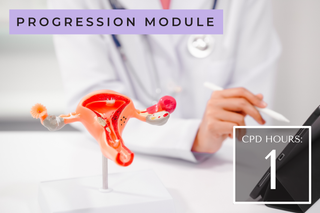
Breast and Gynaecological Cancers and Medical Cannabis
1 Credit
This module focuses on Breast, endometrial and ovarian cancers (BEOC), which are among the most prevalent cancers affecting individuals assigned female at birth (IAFABP). Learners will explore the categories, pathophysiology, risk factors, symptoms, and treatment options for these cancers, noting that early symptoms, particularly for ovarian and endometrial cancers, can often go unnoticed, leading to a poorer prognosis. While common treatments can be effective, they frequently come with significant side effects that impact daily life and overall well-being.
By the end of this module, learners will be able to explain the pathophysiology and symptomatology of BEO cancers, identify treatment options and their adverse effects, and discuss the therapeutic potential of medical cannabis for alleviating treatment-related side effects, including chemotherapy-induced nausea and vomiting (CINV).
Additionally, the module will cover important considerations for selecting appropriate medical cannabis products and outline general conditions related to prescribing these treatments.
Preview this module by watching the video above.
Estimated Duration: 1 hour
Access Duration: 12 months from date of purchase
Learning Outcomes
Upon completion of this module, you’ll be able to:
Explain BEOC pathogenesis and pathophysiology
Identify benefits and drawbacks of conventional interventions for BEOC
Discuss medical cannabis’ therapeutic potential for treating BEOC symptoms and treatment-related side effects
Identify considerations for selecting a medical cannabis product to treat symptoms of BEO cancers

Cannabinoid Hyperemesis Syndrome: An Emerging Challenge in Patient Care
0 Credit
Cannabinoid Hyperemesis Syndrome: An Emerging Challenge in Patient Care
Published: August 2025
Cannabinoid Hyperemesis Syndrome (CHS) is a condition increasingly observed among long-term users of cannabis.1,2 Despite cannabis being proposed for its antiemetic effects, this very same compound has been linked to CHS, a condition marked by recurring nausea, vomiting and abdominal pain, often severe enough to require emergency medical care.1,3
Increasing awareness and understanding of CHS among both patients and clinicians may play a key role in promoting safer, more effective treatment outcomes as early recognition and management of this syndrome may reduce the risk of potentially serious sequelae.1,2,4
What is Cannabinoid Hyperemesis Syndrome?
Cannabinoid Hyperemesis Syndrome is a condition characterised by cyclical episodes of nausea, intractable vomiting, and abdominal pain following prolonged cannabis use.1 First described in 2004, CHS remains underdiagnosed and often mistaken for other gastrointestinal conditions such as cyclic vomiting syndrome (CVS).1,3
According to the Rome IV diagnostic criteria, CHS is defined by:
Stereotypical episodic vomiting similar to CVS in onset and duration
A history of prolonged cannabis use
Relief of symptoms with sustained cannabis cessation.5
An additional defining feature of CHS is that patients often find relief through taking very hot showers or baths.1
Whilst the exact pathophysiology of CHS is not yet fully elucidated, it appears to be linked to the overstimulation of CB1 endocannabinoid receptors in the endocannabinoid system (ECS) by the cannabinoid tetrahyrdocannabidiol (THC), leading to changes in the body’s emetic control centres in the central nervous system and brainstem.1,2 Another proposed mechanism involves THC binding to the TRPV1 (transient receptor potential vanilloid 1) receptors, which is involved in pain and temperature perception and regulation of gut motility.1,2
Paradoxically, while low doses of cannabis exert antiemetic effects through ECS modulation and hypothalamus-pituitary-adrenal (HPA) axis suppression, chronic use of cannabis containing high-strength THC may have the opposite effect, leading to overstimulation of the ECS — one of the proposed mechanisms behind CHS.1,3,4
Cannabinoids at a Glance
The two primary cannabinoids are:
THC (Tetrahydrocannabinol): The psychoactive compound that binds to CB1 receptors in the central nervous system, and is believed to influence appetite, mood, pain, and nausea.2,6
CBD (Cannabidiol): A non-intoxicating cannabinoid with a weaker affinity for CB1/CB2 receptors, more commonly associated with anti-inflammatory and immunomodulatory effects.2,6
How common is CHS?
The true prevalence of CHS is difficult to ascertain and likely underreported.1,2
This is partly because CHS symptoms overlap with other conditions, and in some jurisdictions, stigma and legal concerns around cannabis use lead patients to withhold disclosure of their medical cannabis use from healthcare providers.1,7
However, recent data highlight a growing concern:
A study in a United States urban hospital estimated that 32.9% of chronic users of cannabis (20+ days/month) met the criteria for CHS, which extrapolates to approximately 2.75 million cases annually in the United States.7
In Australia, a six-year retrospective review undertaken at a Melbourne emergency department identified 142 CHS-related visits. The median patient age was 31 years, with nearly 69% male, highlighting its prevalence among younger adults.8
With cannabis potency and use increasing worldwide, the incidence of CHS may be expected to rise unless proactively addressed.1-3
Stages and management of CHS
Patients experiencing CHS typically present to the emergency department whilst demonstrating acute gastrointestinal symptoms.7 However, according to the American Gastroenterological Association, CHS progresses through four distinct stages:2
Prodromal Phase – Early symptoms such as nausea, anxiety, and abdominal discomfort, often lasting months.2,3
Hyperemesis Phase – Acute onset of relentless vomiting, abdominal pain, dehydration, and compulsive hot bathing.2,3
Recovery Phase – Symptoms improve once cannabis use is stopped.2,3
Interepisodic Phase – Asymptomatic period between episodes; symptoms often return with cannabis reinitiation.2,3
Treatment strategies
There is currently no specific pharmacological treatment for CHS. The current cornerstone of management is immediate and sustained cannabis cessation.1,9
Other strategies include:
IV fluids and electrolyte correction to manage dehydration9
Hot showers or baths, which may provide temporary relief1
Antiemetics – though many are ineffective in CHS1
Capsaicin cream (a TRPV1 agonist) applied topically to the abdomen has shown some benefit in acute settings1,9
Importantly, failure to recognise and treat CHS can lead to serious complications, including electrolyte and fluid imbalance, renal failure and, in rare cases, death.1,10,11
Is CHS permanent?
CHS appears reversible with cannabis cessation.1 Case studies have widely shown that symptoms resolve once cannabis use is stopped.12,13 However, due to limited long-term studies, it remains unclear whether some individuals may develop persistent or recurring symptoms even after cessation.12,13
Implications for medical cannabis use
To date, CHS has been primarily associated with chronic recreational use of high-dose THC products.14 However, as medical cannabis becomes more widespread, and as higher-potency THC formulations become more accessible, it is possible that CHS may be increasingly observed among users of medical cannabis.1,2,15
Currently, there is insufficient data to draw conclusions about CHS prevalence in patients using medical cannabis. However, the following precautions are advised:
Educate patients about the signs and symptoms of CHS before initiating treatment.4,15
Prescribe the lowest effective dose, especially with high-strength THC products.4,6
Consider CBD-dominant options where appropriate, as CBD has not been linked to CHS.14
Establish a thorough patient history of cannabis use, including prior and current recreational use, as past heavy use appears to increase risk.1,4,15
Summary
Cannabinoid Hyperemesis Syndrome represents a growing but still under-recognised adverse consequence of long-term cannabis use.1,2 While it may seem contradictory that cannabis — which has proposed antiemetic effects — can cause intractable vomiting, this reflects the complex and dose-dependent biphasic nature of cannabinoid pharmacology.4
For healthcare professionals, particularly those prescribing medical cannabis, awareness and vigilance are essential.1,4,15 Patient education, careful product selection, and prompt cessation in response to symptoms could potentially reduce risks and improve patient outcomes.1,4,14,15
As the legal and medical landscape around cannabis continues to evolve, understanding CHS may be central to ensuring safe and responsible use of this emerging therapy.
Disclaimer: Medical cannabis products may be associated with adverse events. For more information please contact medinfo@saged.com.au. Medical cannabis products are not suitable for use during pregnancy or breastfeeding, for anyone with a history with psychotic disorders, or for those with unstable cardiovascular disease. Treatment for patients under 18 years is recommended under the guidance of a paediatrician. Patients should not drive or operate machinery while being treated with some forms of medical cannabis.

Clinical Case Study - Anxiety, Depression, Insomnia and Allergies
1 Credit
Fourty-three year old Luna has been experiencing a lot of mental health ups and downs. But recently there have been more “downs” than “ups”. Despite taking pharmaceutical treatments, her anxiety and depression are out of control, and it’s affecting her sleep.
But Luna has a coconut and lavender allergy – both of which can be caused by compounds also found in medical cannabis. And, there is evidence to suggest that THC can exacerbate anxiety and in some cases cause paranoia.
In this case study, explore how Luna’s team safely prescribed medical cannabis so she was feeling better and sleeping soundly in no time.
Preview this module by watching the video above.
Estimated Duration: 1 hour
Access Duration: 12 months from date of purchase
Learning Outcomes
Upon completion of this module, you’ll be able to:
Explain why coconut and lavender allergies, and anxiety, are risk factors for using medical cannabis
Identify ingredients in medical cannabis products that commonly cause allergic or hypersensitive reactions
Apply critical safety considerations/risk mitigation strategies for patients presenting with allergies and anxiety concerns
Facilitate discussions with patients around medical cannabis as a therapeutic option for symptom management
Provide medication safety education to patients