


SAGED
Clinical Case Study – Motor Neurone Disease
1 Credit
Nickolas, a 65-year-old with motor neurone disease (MND), seeks treatment for his pain, stress, anxiety and depression.
Despite trialling a range of treatment options, and consulting with several specialists, Nickolas is still experiencing primary and secondary symptoms that impact his quality of life.
In this case study, we explore how Xie prescribed a medical cannabis product to help manage Nickolas’ symptoms, so he could mobilise with less pain and improve his psychological wellbeing.
Preview this module by watching the video above.
Estimated Duration: 1 hour
Access Duration: 12 months from date of purchase
Learning Outcomes
Upon completion of this module, you’ll be able to:
Explain the pathophysiology of Motor Neurone Disease (MND) and identify common management strategies
Discuss the potential benefits and limitations of medical cannabis as a treatment option for symptoms of MND
Identify suitable candidates for medical cannabis treatment
Facilitate clinical discussions with patients around medical cannabis as a therapeutic option in the management of symptoms of MND
Devise treatment plans that consider patient safety and minimise risk
Offer effective patient education and treatment advice on the therapeutic use of medical cannabis

Clinical Case Study – Pain and Sleep Disturbances Due to Prostate Cancer
1 Credit
Sixty-five-year-old Ryan is living with prostate cancer and is experiencing chronic pain and ongoing sleep disturbances. Despite undergoing chemotherapy and trialling several first-line medications, his symptoms have progressed, now significantly impacting his ability to manage daily activities without support.
In this case study, we examine how Dr. Xie considered medical cannabis as part of a broader symptom management strategy. The module explores the rationale behind its use, the prescribing process, and the clinical considerations involved in supporting a patient like Ryan.
Through this scenario, practitioners will engage with current evidence and frameworks for evaluating medical cannabis in the context of cancer-related symptom management, with attention to safety, patient suitability, and clinical outcomes.
Preview this module by watching the video above.
Estimated Duration: 1 hour
Access Duration: 12 months from date of purchase
Learning Outcomes
Upon completion of this module, you’ll be able to:
Explain the pathophysiology of prostate cancer and identify common management strategies
Discuss the potential benefits and limitations of medical cannabis as a treatment option for secondary symptoms of prostate cancer (e.g. pain and sleep disturbances)
Identify suitable candidates for medical cannabis treatment
Facilitate clinical discussions with patients around medical cannabis as a therapeutic option in the management of secondary symptoms of prostate cancer (e.g. pain and sleep disturbances)
Devise treatment plans that consider patient safety and minimise risk

Completion Module: A Closer Look at Medical Cannabis & Chronic Pain
0 Credit
Thank you for engaging with the SAGED webinar session, "A Closer Look at Medical Cannabis and Chronic Pain".
This completion module forms part of the overall training and is required to complete your CPD activity. Upon successful completion, you will receive a certificate confirming your completion of the webinar. You will also have the opportunity to provide feedback on your learning experience.
If you have any questions or need support, please contact us at hello@saged.com.au.
Estimated Duration: 5 minutes (excluding live session attendance)
Access Duration: 12 months from date of purchase
Learning Outcomes
Upon completion of the webinar session, you’ll be able to:
Consider the validity and suitability of MC as a treatment option for CNCP
Summarise the current evidence on the use of MC in the management of CNCP
Evaluate the clinical evidence for MC in the treatment of neuropathic pain
Identify key clinical features of neuropathic pain and determine when MC may be an appropriate therapeutic option
Apply practical knowledge to clinical case scenarios, including considerations for product selection and dosing strategies

Completion Module: Introduction to Medical Cannabis–With Real Patient Studies
0 Credit
Thank you for attending the live SAGED training session, "Introduction to Medical Cannabis–With Real Patient Studies".
This assessment module forms part of the overall training and is required to complete your CPD activity. Upon successful completion, you will receive a certificate confirming your attendance at the live session. You will also have the opportunity to provide feedback on your learning experience.
If you have any questions or need support, please contact us at hello@saged.com.au.
Estimated Duration: 5 minutes (excluding live session attendance)
Access Duration: 12 months from date of purchase
Learning Outcomes
Upon completion of the live training session, you’ll be able to:
Describe the components and functions of the endocannabinoid system (ECS) and its role in human physiology.
Differentiate between major cannabinoids, including their mechanisms of action, therapeutic applications, and adverse effect profiles.
Explain the concept of the entourage effect and its implications for clinical practice.
Evaluate the current clinical evidence for medical cannabis in the management of chronic non-cancer pain, anxiety, and sleep disturbance.
Identify and assess safety considerations, including contraindications, common side effects, drug–drug interactions, and jurisdictional driving laws.
Compare prescribing pathways available in Australia (Special Access Scheme and Authorised Prescriber models) and their regulatory requirements.
Apply safe and evidence-informed prescribing principles, including dose titration strategies, to clinical scenarios.
Integrate patient case studies and lived experiences to inform patient-centred decision-making in medical cannabis prescribing.

Complimentary Introduction Course: History of Medical Cannabis
0 Credit
It's an interesting time in Australia's medical cannabis landscape.Cannabis has a long global history, traversing prohibition and the ‘war on drugs’ to becoming a recognised therapeutic option for Australian patients.Discover cannabis throughout history, and its evolution in modern day healthcare.
Empower yourself with the knowledge of the history of both social and medical history of medical cannabis in Australia and globally.
Preview this module by watching the video above.
Estimated Duration: 1 hour
Access Duration: 12 months from date of purchase
Learning Outcomes
Upon completion of this module, you’ll be able to:
Cannabis and its historical context: When, where and the discovery of the plants therapeutic properties occurred.
The complex social attitudes affecting the plants status as a medicine throughout history.
Where medical cannabis came from and where it is having the most impact now.

Dysmenorrhoea and Medical Cannabis
1 Credit
Dysmenorrhoea, characterised by painful cramping in the lower abdomen or back during menstruation, affects 88% of menstruating Australians aged 16-291. Despite being the most common gynaecological condition in menstruating years, it is often inadequately treated, leaving many with diminished quality of life.
This module examines the potential of medical cannabis as a therapeutic option for dysmenorrhoea, offering symptom relief with potentially fewer side effects than conventional treatments.
Preview this module by watching the video above.
Estimated Duration: 1 hour
Access Duration: 12 months from date of purchase
Learning Outcomes
Upon completion of this module, you’ll be able to:
Explain the pathophysiology, symptomatology and effects of primary dysmenorrhoea
Identify conventional interventions for primary dysmenorrhoea and describe their potential strengths and drawbacks
Discuss medical cannabis' mechanisms of action and therapeutic potential for treating symptoms of primary dysmenorrhoea (e.g. pain, low mood, anxiety, sleep problems, and nausea and vomiting)
Identify considerations and risks for selecting medical cannabis products to treat primary dysmenorrhoea
References
¹ Subasinghe, Asvini K., et al. “Prevalence and Severity of Dysmenorrhoea, and Management Options Reported by Young Australian Women.” Australian Family Physician, vol. 45, no. 11, Nov. 2016, pp. 829–34, pubmed.ncbi.nlm.nih.gov/27806454/. Accessed 26 June 2024.
Endometriosis and Medical Cannabis
1 Credit
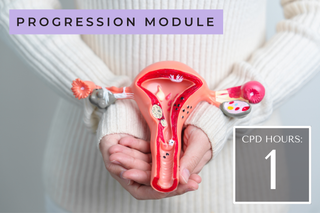
Endometriosis, a condition marked by the growth of endometrial tissue outside the uterus, causes severe and debilitating symptoms, making it the leading cause of chronic pelvic pain. Affecting 1 in 9 people assigned female at birth¹, endometriosis accounted for over 3,600 emergency department visits in 2021-2022 alone². Despite its prevalence, current treatment options are often invasive and carry significant health risks.
This module explores the potential of medical cannabis as an alternative treatment for endometriosis, offering symptom relief with fewer side effects.
Preview this module by watching the video above.
Estimated Duration: 1 hour
Access Duration: 12 months from date of purchase
Learning Outcomes
Upon completion of this module, you’ll be able to:
Explain the pathophysiology, symptomatology and effects of endometriosis
Identify conventional interventions for endometriosis and describe their potential strengths and drawbacks
Discuss medical cannabis' mechanisms of action and therapeutic potential for treating symptoms of endometriosis (e.g. pain, low mood, anxiety, sleep problems and nausea)
Identify considerations and risks for selecting medical cannabis products to treat endometriosis
References
¹ Armour, M., Ciccia, D., Yazdani, A., Rombauts, L., Niekerk, L. V., Schubert, R., & Abbott, J. (2023). Endometriosis research priorities in Australia. Australian and New Zealand Journal of Obstetrics and Gynaecology , 63 (4), 594-598. https://doi.org/https://doi.org/10.1111/ajo.13699
² “Endometriosis, Emergency Department Presentations.” Australian Institute of Health and Welfare, 14 Dec. 2023, www.aihw.gov.au/reports/chronic-disease/endometriosis-in-australia/contents/treatment-management/ed-presentations. Accessed 26 June 2024.

Frances’ journey with fibromyalgia: Medical cannabis for chronic pain associated with fibromylagia
0 Credit
Frances’ journey with fibromyalgia: Medical cannabis for chronic pain associated with fibromylagia
Published: September 2025
Disclaimer: This is an anonymised patient case study, written with patient consent. The decision-making in this case study was undertaken by a doctor. The information in this document does not constitute medical advice or treatment recommendations. The use of cannabis based medications is the responsibility of a qualified medical professional who may initiate treatment after reviewing a patient's medical history. Most medical cannabis products are unapproved medicines and are regulated by the Therapeutic Goods Administration (TGA) Special Access Scheme (SAS), for which individual responses may vary.
Meet Frances
Frances* (pseudonym) is a 32-year-old woman living with fibromyalgia – one of an estimated 3–5% of Australians affected by this chronic condition, which is characterised by widespread musculoskeletal pain, fatigue, sleep disturbances, and cognitive difficulties.1,2
Frances is seeking treatment for persistent pain, poor sleep and daily fatigue related to fibromyalgia. Despite trialling a range of conventional medications, she has experienced only limited relief. Her ongoing pain and exhaustion significantly affects her ability to work, exercise, and maintain daily life.
Fibromyalgia presents with a variety of symptoms, including widespread pain, sleep disturbance, fatigue, headaches, mood disorders and irritable bowel syndrome (IBS) and is more common in women than in men.1,2,3 These symptoms often overlap with other conditions such as anxiety, depression, and chronic fatigue syndrome.1,3
Many people living with fibromyalgia describe conventional medical treatments as only partly effective, with burdensome side effects.2,3 Current management usually combines lifestyle and self-management strategies with medications such as antidepressants (e.g. duloxetine), anticonvulsants (e.g. pregabalin) and analgesics.2,3 However, many patients, like Frances, continue to struggle with persistent pain and impaired quality of life despite best-practice care.
Frances’s consultation with her doctor
Ongoing pain and fatigue, alongside variable responses to standard pharmacological treatments, led Frances and her healthcare team to consider other strategies.
Use of medical cannabis is increasingly reported by patients with chronic pain conditions, with some users citing improved pain intensity, sleep, and overall wellbeing.4 These trends highlight the potential role of cannabis-based therapies as adjuncts in managing chronic pain conditions such as fibromyalgia.4
This case study explores how Frances’s medical team carefully assessed her presentation, medical history, risk factors, and possible drug interactions before initiating medical cannabis as part of her management plan.
Frances’s doctor collected the following information:
Patient information and presentation
Presenting condition: Fibromyalgia
Age: 32 years
Symptoms
Widespread musculoskeletal pain – particularly dull back ache
Baseline back ache flares to sharp pain during physical exertion
Insomnia with frequent night waking leading to daytime fatigue
Anxiety – rapid heartbeat, clammy hands
Pain assessment
Position: Diffuse – neck, shoulders, hips but mainly lower back
Type: Chronic with flare-ups after exertion or stress
Severity
Good days: 4–5/10
Bad days: 7–8/10
Triggers: Exertion, stress, lack of sleep, cold weather
Personal and family medical history
Medical history
Fibromyalgia – diagnosed 2 years ago
Generalised anxiety disorder
Family history
Grandfather – myocardial infarction
Allergies: None known
Current and past medications and treatments
Current medications
Amitriptyline – for nerve pain
Tramadol
Multivitamin
Past treatments
Sertraline for anxiety (ceased 3 years ago)
Morphine and fentanyl during recent hospital admission
Buprenorphine patches (ceased 1 year ago)
Non-pharmacological treatments
Stretches and regular exercises using cross trainer at home
Sleeps supported with full body pillows
Meditation and breathing exercises
Specialist and other healthcare involvement
Rheumatologist
Ongoing GP management – last seen 6 weeks ago
Psychologist
Lifestyle factors
Smoking: Never
Alcohol: Nil
Driving: THC liability verbalised
Workplace drug testing: N/A
Exercise: Stretches and regular exercises using cross trainer at home
Support network: Lives with partner and child, parents are supportive
Previous use of cannabis
Black market cannabis flower intermittently since age 15 years – ceased 1 year prior, nil side effects noted
Preferred treatment form: oils
Frances' risk assessment & treatment plan
Risk assessment
Anxiety
Given Frances’ history of generalised anxiety disorder, her doctor noted the importance of monitoring mood closely.
While CBD may reduce anxiety, THC can in some cases exacerbate it.5
Regular reviews to monitor mood and anxiety symptoms
A “start low, go slow” dosing approach6
Driving
Inform Frances of the Therapeutic Goods Administration (TGA) guidance that patients must not drive while being treated with medical cannabis that contains THC, noting that measurable concentrations of THC can remain detectable in saliva for many hours after administration.7
Drug interactions
CBD may inhibit CYP2C19, CYP2D6 and CYP3A4, which metabolise tramadol and amitriptyline.8
Careful titration and monitoring for side effects such as drowsiness were advised
Treatment plan
After reviewing Frances’s presentation and history, her doctor developed a personalised treatment plan for fibromyalgia symptom relief.
Treatment goals
Reduce baseline pain (particularly back pain)
Manage pain flares
Reduce anxiety
Reduce insomnia
Initial products prescribed
Full spectrum balanced oil (THC 10 mg/mL, CBD 10 mg/mL)
Start 0.1 mL twice daily
Increase by 0.1 mL every to two days until symptom control is reached
Maximum daily dose 3.0 mL
Full spectrum indica-dominant oil (THC 20 mg/mL, CBD 1 mg/mL)
Start 0.1 mL nocte
After two days increase by 0.1 mL
Increase by 0.2 mL every 2 days until symptom control is reached
Maximum daily dose 1 mL
Risk management plan
Symptom diary – to record pain scores, doses, sleep quality, and side effects
Pre-treatment Depression Anxiety Stress Scales (DASS) assessment – repeated at follow-ups
Close monitoring for sedation, dizziness, or gastrointestinal upset
Follow-up plan
4- and 8-week reviews, with monitoring of pain, sleep, mood, and functional status
Treatment outcomes
At 8 weeks:
Frances was using 0.3 mL balanced oil in the mornings (already the maximum dose) and reported limited benefit, indicating that this formula was not strong enough to address her symptoms
The full spectrum indica-dominant oil has assisted with sleep - Frances is currently using 0.2 mL at night
Actions
Replace the 10:10 balanced oil with a 25:25 balanced oil (THC 25 mg/mL, CBD 25 mg/mL)
Continue with the indica dominant oil nocte
Keep up the symptom diary
What the research says
Exploring the science in Frances’ case, what is the relationship between medical cannabis, the endocannabinoid system, and fibromyalgia?
The endocannabinoid system (ECS) – comprising CB1 and CB2 receptors, endocannabinoids, and enzymes – plays a key role in modulating pain, sleep, mood, and immune responses.9
Research suggests that fibromyalgia may be linked to a concept called endocannabinoid deficiency, which may lead to heightened pain sensitivity, poor sleep, and mood disturbances.10,11
CB1 receptors in the brain and spinal cord regulate pain perception, sleep, and mood9
CB2 receptors in immune cells modulate inflammation and pain signalling9
It has been proposed that cannabinoids such as CBD and THC may help restore ECS balance and reduce fibromyalgia symptoms, preferably using a gentle approach with standardised whole-cannabis extracts.10
Clinical evidence for medical cannabis remains limited but is growing:
Small randomised controlled trials and a large observational study report that medical cannabis can reduce symptom severity and improve quality of life in patients with fibromyalgia.11
A randomised clinical trial with nabilone, a synthetic cannabinoid, has shown improvements in sleep in patients with fibromyalgia compared to the standard amitriptyline therapy.12
Key Takeaways
Fibromyalgia is a complex, multifactorial condition that imposes a substantial burden on quality of life and conventional treatments often provide incomplete relief.1,2
Emerging evidence suggests a role for the endocannabinoid system in fibromyalgia pathophysiology.10 While clinical trials remain limited, cannabinoids, particularly CBD and low-dose THC, may help reduce pain, improve sleep, and enhance wellbeing in select patients.4,10
Frances’s case illustrates how a careful, individualised, and evidence-informed approach – including risk assessment, slow titration and structured follow-up – can support safe and effective access to medical cannabis.
Disclaimer: Medical cannabis products may be associated with adverse events. For more information please contact medinfo@saged.com.au. Medical cannabis products are not suitable for use during pregnancy or breastfeeding, for anyone with a history with psychotic disorders, or for those with unstable cardiovascular disease. Treatment for patients under 18 years is recommended under the guidance of a paediatrician. Patients should not drive or operate machinery while being treated with some forms of medical cannabis.

Gina’s Story: Endometriosis, the Endocannabinoid System, and Emerging Approaches to Care
0 Credit
Gina’s Story: Endometriosis, the Endocannabinoid System, and Emerging Approaches to Care
Published: August 2025
Disclaimer: This is an anonymised patient case study, written with patient consent. The decision-making in this case study was undertaken by a doctor. The information in this document does not constitute medical advice or treatment recommendations. The use of cannabis based medications is the responsibility of a qualified medical professional who may initiate treatment after reviewing a patient's medical history. Most medical cannabis products are unapproved medicines and are regulated by the Therapeutic Goods Administration (TGA) Special Access Scheme (SAS), for which individual responses may vary.
Meet Gina (pseudonym), a 38-year-old woman living with endometriosis—one of an estimated 10% of Australian women affected by this chronic condition, which involves the growth of endometrial-like tissue outside the uterus.1
Gina is seeking treatment for ongoing gastrointestinal and pain-related symptoms associated with endometriosis. Despite trialling a range of conventional medications, she’s experienced limited relief—particularly for her chronic pain, which significantly affects her ability to work and maintain daily functioning.
Endometriosis is a condition that can cause a wide range of chronic pelvic pain symptoms, including dysmenorrhea (painful periods), dyspareunia (pain during intercourse), fatigue, dyschezia (pain during bowel movements), and dysuria (pain during urination).1 It may also co-occur with other conditions such as irritable bowel syndrome, rheumatoid arthritis, psoriasis, anxiety, depression, and chronic fatigue syndrome.1
Despite the substantial burden of endometriosis, many patients consider conventional medical treatments to be suboptimal—often citing limited efficacy and unwanted side effects.1 Current management typically involves a combination of medical and/or surgical interventions, including hormonal therapies, non-opioid and opioid analgesics, and neuropathic pain agents.1 While surgery can be effective, it carries high costs, long wait times, and high recurrence rates—often leading to the need for repeat procedures.1,2
Gina’s consultation with her doctor
Limited access to surgery and variable responses to pharmacological treatments, have led patients with endometriosis to self-management strategies.1 Cannabis use—both prescribed and non-prescribed—is increasingly reported, with some individuals noting improvements in symptom severity.1 These trends highlight a need for more research into cannabis-based therapies as potential adjuncts in endometriosis care.1
This case study explores how Gina’s medical team carefully assessed her clinical presentation, medical history, potential psychological and cardiovascular risk factors, and possible drug interactions before initiating medical cannabis to support her pain management and overall wellbeing.
Gina’s doctor collected the following information:
Patient information and presentation
Personal and family medical history
Current and past medications and treatments
Specialist and other healthcare involvement
Lifestyle factors
Discover Gina’s patient profile below.
Presenting condition
Female, aged 38 years
Presenting condition – endometriosis
Symptoms
Excruciating dysmenorrhoea since menarche
Vomiting, diarrhoea and nausea
Low appetite and weight loss
Headaches
Pain assessment
Position – lower abdomen
Quality – severe, accompanied by sweating, crying or doubling over in pain
Type – intermittent sharp pains and general abdominal tenderness
Radiates – to arms or legs
Severity
Good days – 6–8/10
Bad days – 10/10
Timing – menstruation and ovulation
Triggers – stress
Personal and family medical history
Medical history
Endometriosis (stage 4) – diagnosed in 2019
Pericarditis post coronavirus – diagnosed 2022*
Generalised anxiety disorder and depression – diagnosed 18 years prior
Vitamin D deficiency
Allergies
Latex
Medical history (family)
Maternal aunt – endometriosis
*This may be a risk factor for medical cannabis.3
Current and past medications and treatments
Current medications
Drospirenone – 4 mg/day
Past medications
Tapentadol
Physiotherapy sessions – with minimal benefit
Remedial massage sessions – with minimal benefit
Specialist and other healthcare involvement
Cardiologist review of pericarditis – referred back to GP care after diagnosis
Lifestyle factors
Smoking – No
Social considerations
Driving – drives to work 2 days per week and on occasional weekend trips
THC roadside liability understood: Yes
Workplace drug testing – N/A
Operates heavy machinery – N/A
Previous use of cannabis
Use – non-prescribed cannabis daily between 2016 and 2019
Administration – flower via joint or pipe
Amount – 2 g per day
Effects – reduced pain, relieved bowel cramps, assisted with sleep
Assessing risks
After reviewing Gina’s profile, her doctor notes potential risk factors relating to her anxiety, cardiovascular health, driving and previous use of non-prescribed cannabis.
Below, explore Gina’s potential risk factors and how her doctor managed them.
Anxiety
Given Gina’s diagnosis of generalised anxiety disorder, her doctor monitored her closely, with regular check-ins to assess mood and anxiety symptoms.
As THC can cause feelings of altered mood and anxiety, it should be administered with caution in individuals with anxiety disorder.4
Her doctor ensured that Gina understands the potential mood-related side effects and equipped her with strategies to manage them effectively if they occur.
Additionally, she emphasised the importance of starting on a low dose and gradually increasing the dosage as specified in the treatment plan.
Cardiovascular health
Before prescribing medical cannabis products, her doctor confirmed that Gina’s cardiovascular health is stable by:
Reviewing previous cardiac assessments and reports from Gina’s cardiologist
Obtaining approval from Gina’s cardiologist and consulting Gina’s regular GP before commencing treatment
Monitoring Gina’s electrocardiogram and vital signs throughout the course of her treatment
This is of particular importance as cannabis products with THC can cause tachycardia, and is not advised for patients with a history of angina or myocardial infarction.4
Driving
As Gina drives to work occasionally, her doctor ensured that Gina is aware of the laws around driving.
Current medical cannabis prescribing legislation does not exempt patients from THC-related drug-driving offences.4 THC can impair driving performance and increase crash risk—particularly in occasional users—with effects lasting up to eight hours after oral dosing.5 Patients using THC-containing products should avoid driving and other safety-sensitive tasks, especially during treatment initiation and shortly after each dose.5
In contrast, there is no evidence that CBD impairs driving.5 Patients taking CBD-only medicines can lawfully drive if they are not impaired.5,6
Non-prescribed use of cannabis
Gina’s doctor is also concerned about her previous use of non-prescribed cannabis.
Cannabis acquired on the black market is unlikely to achieve the desired results and can cause unpredictable and severe adverse reactions as it may contain hazardous ingredients and contaminants—such as microbes, heavy metals and pesticides.7,8
Devising a treatment plan
After reviewing Gina’s presentation and medical history, her doctor created a treatment plan to help Gina manage her endometriosis symptoms.
Developing a risk management and follow-up plan
Gina’s doctor provided her with a risk management plan which included symptom tracking and monitoring of adverse effects, as well as follow-ups scheduled at 4 to 8 weeks to review progress and adjust treatment as needed.
Discover Gina’s risk management and follow-up plan below
Risk management plan
Asked Gina to keep a symptom diary to record pain scores, doses and other symptoms
Informed Gina of how to report and respond to adverse effects
Conducted a pre-treatment Depression Anxiety Stress Scales (DASS) assessment and will follow up at each check-in
Advised Gina to start low and go slow
Reviewed Gina’s cardiovascular reports and test results, and obtained cardiologist and GP support before commencing treatment
Follow-up plan
Follow-ups scheduled for 4- and 8-weeks after initial treatment
Review progress and adjust plan as required
Monitor cardiovascular results
Monitor psychiatric state via DASS results (conducted at each appointment)
At 4 weeks: Gina reported that the CBD oil was moderately effective but not as effective as the inhaled product.
In response, her doctor prescribed a different oil with the following profile and dosage instructions:
THC 10 mg/mL : CBD 10 mg/mL
Start: 0.1 mL twice a day
After 2 days: increase by 0.1 mL
Every 2 days thereafter: increase by 0.2 mL to full symptom control
Maximum daily dose: 3.0 mL
At 8 weeks: Gina shared that she found the new oil effective, and uses 1.5 mL daily. Gina and her doctor agreed to touch base again in 4 weeks.
Exploring the Science in Gina’s Case
What Is the Relationship Between Medical Cannabis, the Endocannabinoid System, and Endometriosis?
Gina’s doctor has prescribed her with medical cannabis; understanding its proposed mechanism could provide insight into why it may have a role in Gina’s care.
Studies have shown that cannabinoid receptors (CB1 and CB2) are highly expressed in ovaries with endometriosis, compared with stromal tissues surrounding the lesion.10,11
As cannabinoid receptors have been implicated in the management of chronic pain and inflammation, these findings suggest that medical cannabis may offer a targeted approach for managing endometriosis-related pain and inflammation at the lesion site.10,11
A recent literature review found that compared to conventional strategies such as analgesics and heat therapy, medical cannabis offered symptom relief for individuals with endometriosis.10
This flow diagram illustrates the potential key therapeutic targets within the endocannabinoid system that interact with cannabis compounds.10
Adapted from Cummings et al. 202410
However, there remains a lack of randomised controlled trials specifically evaluating medical cannabis efficacy for endometriosis-related pain.10 This gap in evidence highlights an important direction for future research—particularly in light of emerging findings that a dysregulated endocannabinoid system may contribute to the pathophysiology of endometriosis.10
Key Takeaways
Endometriosis remains a complex condition that significantly impacts quality of life.1 While conventional treatments can help, many patients—like Gina—continue to experience debilitating symptoms despite best-practice interventions.1
Emerging evidence suggests a potential role for the endocannabinoid system in modulating inflammation, pain, and other symptoms associated with endometriosis.10,11 Though clinical research is still developing, the expression of cannabinoid receptors in endometriotic tissue, alongside promising patient-reported outcomes, highlights the potential role of medical cannabis as an adjunctive therapy in selected patients.10,11
Gina’s case illustrates how a personalised, cautious, and evidence-informed approach—grounded in thorough risk assessment and multidisciplinary collaboration—can support safe access to medical cannabis. As with any therapeutic decision, individual patient factors, clinical history, and shared decision-making remain central to guiding care.
Adverse event monitoring: Medical cannabis products may be associated with adverse events. For more information please contact medinfo@saged.com.au. Medical cannabis products are not suitable for use during pregnancy or breastfeeding, for anyone with a history with psychotic disorders, or for those with unstable cardiovascular disease. Treatment for patients under 18 years is recommended under the guidance of a paediatrician. Patients should not drive or operate machinery while being treated with some forms of medicinal cannabis.
Veeva job code: MONT-SGD-2025-0014Date of preparation: July 2025
Hepatic Conditions and Medical Cannabis
1 Credit
Estimated to affect over a billion people globally, hepatitis is a major global health crisis. Characterised by inflammation of the liver, hepatitis is responsible for severe consequences including liver damage, failure and death.¹
But it is preventable and treatable. The World Health Organisation (WHO) and its member states (including Australia) have pledged to reduce hepatitis infections by 90% and hepatitis B and C related deaths by 65% by 2030 through vaccination, diagnostic testing, medication, and educational initiatives.¹‚²
The use of medical cannabis in the treatment of hepatitis symptoms is a relatively new and evolving area of research, with findings that have sometimes been contradictory.
While more research is needed to reach definitive conclusions, early evidence suggests that medical cannabis may have the potential to improve the quality of life for those living with hepatitis by addressing primary and secondary symptoms.
Preview this module by watching the video above.
Estimated Duration: 1 hour
Access Duration: 12 months from date of purchase
Learning Outcomes
Upon completion of this module, you’ll be able to:
Describe the prevalence, pathogenesis, pathophysiology, symptoms and impacts of, and diagnostic methods for hepatitis and its subtypes
Identify common hepatitis treatment interventions and explain their pharmacology
Explain how medical cannabis treatment may benefit people with hepatitis
Identify and explain potential risks and clinical considerations when recommending medical cannabis treatment for people with hepatitis
References
¹ World Health Organisation. Hepatitis. www.who.int. Published 2024. Accessed August 30, 2024. https://www.who.int/health-topics/hepatitis/elimination-of-hepatitis-by-2030
² Coalition for Global Hepatitis Elimination. About Hepatitis Elimination. CGHE. Accessed August 30, 2024. https://www.globalhep.org/about/about-hepatitis-elimination#:~:text=In%202016%2C%20the%20World%20Health
Integrating Medical Cannabis in Chronic Pain Care
1 Credit
This module explores the complexities of chronic pain and its management, with a focus on the potential role of medical cannabis.
Learners will examine the factors influencing pain perception, the mechanisms of pain signaling, and the different aetiologies and pathophysiologies of pain.
The module addresses the interplay between physical and psychosocial factors in the pain experience and the impacts of chronic pain on individuals and the Australian healthcare system. It also covers common treatment interventions, the therapeutic potential of medical cannabis for chronic pain and co-occurring conditions, and considerations for its use.
Healthcare practitioners will gain insights into addressing barriers to medical cannabis treatment to support improved patient outcomes.
Preview this module by watching the video above.
Estimated Duration: 1 hours
Access Duration: 12 months from date of purchase
Learning Outcomes
Upon completion of this module, you’ll be able to:
Identify the factors that affect an individual's experience of pain
Explain the pain signalling process
Identify different pain aetiologies and pathophysiologies
Explain the interplay between physical and psychosocial factors in the pain experience
Define chronic pain and explain its impacts on individuals and the Australian healthcare and social support systems
Describe common treatment interventions for chronic pain
Describe medical cannabis' therapeutic potential for treating chronic pain and common co-occurring conditions
Identify general considerations for medical cannabis treatment
Explain common barriers to medical cannabis treatment and how to address them

Managing Respiratory Depression Risk: Exploring CB1 Receptors and Safe Co-Prescribing in Pain, Anxiety, and Palliative Care
0 Credit
Managing Respiratory Depression Risk: Exploring CB1 Receptors and Safe Co-Prescribing in Pain, Anxiety, and Palliative Care
Published: July 2025
Medical cannabis has gained increasing attention as a therapeutic option for managing pain, anxiety, and symptoms in palliative care. Respiratory depression—particularly associated with opioids and some anxiolytics—remains a significant safety consideration in these settings.1,2 Unlike these medications, cannabinoids do not significantly affect brain stem respiratory centres, due to the low density of CB1 receptors in those areas.3,4 This article explores the mechanisms behind this effect and considers the implications for co-prescribing medical cannabis alongside other agents used in symptom management.
Understanding CB1 receptor distribution
Cannabinoids exert their effects primarily through two receptors: CB1 and CB2.3,4 CB1 receptors are abundant in brain regions involved in mood, memory, pain, and motor control, while CB2 receptors are more prominent in organs and in the immune system.3,4 However, a key finding in neuropharmacology demonstrated that CB1 receptors are only minimally present in the brain stem, the part of the brain that regulates vital functions such as breathing and heart rate.3,4
In contrast, opioid receptors are densely concentrated in the brain stem.1 When opioids bind to these receptors, they can depress the respiratory centres, reducing the drive to breathe and leading to potentially fatal respiratory depression.1
Due to the lack of significant CB1 receptors in the brain stem, cannabinoids such as tetrahydrocannabinol (THC) do not suppress respiratory function in the way opioids do.5
This fundamental difference means:
Medical cannabis use is not associated with respiratory depression.5
Unlike opioids and benzodiazepines, medical cannabis does not pose the same risk of fatal overdose via respiratory failure.5
Simplified diagram demonstrating CB1 receptor distribution in the brain.Figure adapted from Kayser et al. 20196
This safety profile is supported by clinical and preclinical studies showing that medical cannabis, even when used in combination with other medications, does not increase the risk of respiratory suppression that is seen with some other central nervous system (CNS) depressants.5,7,8,9
Implications for pain management
Opioid medications form the mainstay of pain management in severe and some chronic pain conditions. They carry a well recognised risk of respiratory depression, overdose and dependence.1,9 Medical cannabis offers several potential benefits in this context:
Opioid-sparing effect: Medical cannabis can reduce opioid dosage requirements by providing complementary analgesic effects via different mechanisms.5,7,8,9
Reduced respiratory risk: Lower opioid doses decrease the likelihood of respiratory depression, making the overall pain management regimen safer.8
Multimodal pain relief: Medical cannabis can alleviate different types of pain (e.g. neuropathic, inflammatory) via multiple complementary mechanisms, potentially improving pain control when combined with opioids.10,11
Despite these benefits, co-prescribing medical cannabis and opioids should be undertaken with careful medical supervision and opioid dose adjustment to avoid amplification of common opioid side effects, such as sedation and constipation.11
Considerations for anxiety
Anxiety disorders are commonly treated with benzodiazepines and other anxiolytic medications, which also carry risks of sedation and respiratory depression.2,12 Medical cannabis could serve as an either adjunctive or alternative treatment in some patients due to:
Anxiolytic effects in certain medical cannabis strains or formulations, especially those higher in cannabidiol (CBD).13
The risk of respiratory depression from benzodiazepines, especially with higher doses.2
The potential to lower benzodiazepine dosages, reducing the risk of developing side effects and/or dependence.7
Due to inter-patient variability in response to CNS medications and medical cannabis, a personalised approach with close monitoring is advised.
High-THC products (>10%) may exacerbate anxiety or cause psychoactive effects in some patients.13 CBD is thought to mitigate THC-induced anxiety, highlighting the importance of selecting products with an appropriate THC:CBD ratio, particularly in patients with a history of anxiety.13
Additionally, cannabinoids may inhibit CYP450 enzymes, potentially affecting the metabolism of concurrent medications, including anxiolytics.11 Prescribers should assess drug interactions to minimise the risk of adverse effects such as excess sedation.
The role of medical cannabis in palliative care
Palliative care patients commonly present with complex symptoms requiring multidrug regimens, including opioids for pain, benzodiazepines or other sedatives for anxiety and agitation, antiemetics for nausea, steroids, and other supportive therapies.14
While clinical evidence on the efficacy of medical cannabis in palliative symptom management remains inconclusive, preclinical studies and case reports suggest potential benefits in managing:
Pain relief without increasing respiratory depression risk8, especially in patients with chronic pain.15
Anxiety and insomnia, which are common concerns in palliative care and are frequently reported as having a negative impact on patients’ quality of life.15
Nausea and poor appetite, thereby reducing the risk of malnutrition and cachexia.14,15
Co-prescribing medical cannabis with opioids and other CNS depressants in palliative care requires careful dosing and patient monitoring but could offer a viable adjunctive therapeutic approach in this patient group.16
Broader safety considerations for medical cannabis
While medical cannabis has a low risk of respiratory depression5, potential cognitive impairment, psychoactive effects, and possible interactions with other prescribed drugs should all be taken into account when co-prescribing medical cannabis.17
More rigorous clinical trials are needed to develop standardised guidelines for medical cannabis use in combination with other medications, particularly in complex conditions such as those found in palliative care.
Summary
The low density of CB1 receptors in the brain stem is thought to underlie the lack of respiratory depression associated with cannabinoid use3,4, in contrast to opioids and benzodiazepines which have a strong association with respiratory sequelae.1,2
Given its distinct pharmacological profile, medical cannabis may be considered as an adjunct in pain management, anxiety treatment, and palliative care, particularly where minimising respiratory depressant effects is a clinical priority.
Whilst careful co-prescribing and patient-specific considerations remain essential, medical cannabis has the potential to improve therapeutic outcomes while minimising the risk of one of the most significant side effects associated with conventional medications for these conditions.
Job code: MONT-SGD-2025-0001 | Date of preparation: July 2025