


Non Accredited Courses

Medical Cannabis Taxonomy, Genetics, Strains and Compounds
1 Credit
This module provides healthcare practitioners with a comprehensive understanding of the biological components of medical cannabis and their therapeutic potential.
As cannabis becomes more widely accepted, it's essential to grasp how its taxonomy, strains, chemovars, and key compounds interact within the body to provide treatment benefits.
Through this module, practitioners will learn how to identify cannabis' taxonomic status, discuss the key components of strains, and explain how cannabinoids and terpenes affect the body. You'll also explore the factors that influence cannabis' effects and how practitioners can adjust treatment to account for clinical and individual patient factors, risks, and contraindications.
Preview this module by watching the video above.
Estimated Duration: 1 hour
Access Duration: 12 months from date of purchase
Learning Outcomes
Upon completion of this module, you’ll be able to:
Identify cannabis' taxonomic status
Identify and discuss key components of strains and chemovars
Identify key compounds in medical cannabis and explain their potential interactions and effects within the body
Describe the factors that impact medical cannabis' effects within the body
Explain how practitioners may adjust medical cannabis treatment to account for clinical and individual factors, risks and contraindications

Autoimmune Symptoms and Medical Cannabis Treatment
1 Credit
This module explores the growing interest in medical cannabis as a therapeutic option for managing autoimmune symptoms like pain and inflammation.
Autoimmune diseases occur when the immune system mistakenly attacks the body's own cells, leading to chronic conditions. Despite their prevalence, their causes remain unclear.
With some traditional treatments, such as NSAIDs and opioids, causing risks to health and wellbeing, emerging research suggests that medical cannabis may be a viable complement or alternative for managing pain and inflammation.
This module offers an overview of autoimmunity, explaining the theorised pathophysiology, symptoms, impacts, diagnostics, and conventional treatments for common presentations, and explores contemporary research findings explaining how medical cannabis may help to manage these symptoms and improve quality of life for people with autoimmune disease.
Preview this module by watching the video above.
Estimated Duration: 1.25 hours
Access Duration: 12 months from date of purchase
Learning Outcomes
Upon completion of this module, you’ll be able to:
Describe the immune system, its purpose, components and key actors
Describe the purpose, functions and actors of the innate and adaptive systems
Describe autoimmunity, including its causes and effects
Explain how autoreactivity can cause autoimmune responses
Identify causes, symptoms and impacts of common autoimmune diseases
Describe common diagnostic methods for autoimmune disease
Describe conventional treatments for autoimmune disease, and some side effects and drawbacks
With reference to research, analyse how medical cannabis may assist in autoimmune disease symptom management
Prescribe via the SAS-B Pathway for Nurses
1 Credit
While medical cannabis is an effective treatment option for many patients, it’s considered an unapproved good on the TGA’s schedule of drugs. This course is designed to equip healthcare professionals with the skills, knowledge and confidence to navigate the TGA’s Special Access Scheme (SAS) and apply to prescribe medical cannabis to suitable individual patients on a case by case basis using the SAS-B pathway.
We’ll also delve into the broader legal and ethical considerations of prescribing medical cannabis as a treatment option, including risk-mitigation strategies so you can start prescribing medical cannabis to your eligible patients as soon as possible.
Preview this module by watching the video above.
Estimated Duration: 1 hour
Access Duration: 12 months from date of purchase
Learning Outcomes
Upon completion of this module, you’ll be able to:
Define unapproved good
Describe different pathways for accessing and prescribing unapproved goods
Explain the differences and correct use of the SAS and Authorised prescriber pathways
Apply to prescribe medical cannabis for individual patients using the SAS-B pathway
Explain the legal and ethical considerations, and risk-mitigation strategies when prescribing medical cannabis via the SAS-B pathway

Roles and Responsibilities of Medical Cannabis Dispensers – An Introduction
1 Credit
In the current landscape, medical cannabis products are tightly regulated with stringent dispensing requirements.
Medical cannabis dispensers (MCDs), and the businesses they represent, are responsible for adhering to all relevant legislation and policy while also implementing best practice dispensing for robust patient-centred care.
This fundamental module equips pharmacists with the knowledge and skills to effectively fulfil their essential role in dispensing medical cannabis.
Beyond the technical aspects, pharmacists serve as key advocates for patient care, ensuring the safety, privacy, and well-being of patients throughout their medical cannabis journey. In this module, learners will explore methods to build trust with patients, provide comprehensive education on cannabis products, and ensure compliance with record-keeping and reporting standards. This module also emphasises the critical role of collaboration with healthcare teams to ensure safer, more effective treatment outcomes.
Preview this module by watching the video above.
Estimated Duration: 1 hour
Access Duration: 12 months from date of purchase
Learning Outcomes
Upon completion of this module, you’ll be able to:
Identify the legal and ethical responsibilities of medical cannabis dispensers (MCDs)
Implement respectful communication practices to educate and build safety, trust and rapport with patients
Counsel patients on safe use of medical cannabis products – including dosage, titration, administration, storage and identifying and responding to side effects
Explain how to store, monitor and maintain medical cannabis products securely
Discuss pharmacists' record-keeping obligations when dispensing medical cannabis
Collaborate with other health practitioners for a multidisciplinary approach to medical cannabis treatment

Medical Cannabis Treatment for Cancer Patients
1 Credit
This module explores the complexities of cancer, including its pathogenesis, common types, grading criteria, and contemporary treatment options. Learners will gain insights into the rising incidence of cancer in Australia and the significant advancements in survival rates, alongside the challenges posed by treatment side effects. A key focus will be the emerging role of medical cannabis, examining its therapeutic potential for alleviating cancer symptoms and mitigating treatment side effects, as well as its implications for palliative care.
By the end of the module, learners will be equipped to explain cancer's biological mechanisms, identify various cancers and their treatments, and assess the benefits and risks of medical cannabis in cancer care. This knowledge aims to enhance understanding and support improved patient outcomes in the evolving landscape of cancer treatment.
Preview this module by watching the video above.
Estimated Duration: 1 hour
Access Duration: 12 months from date of purchase
Learning Outcomes
Upon completion of this module, you’ll be able to:
Explain the pathogenesis and pathophysiology of cancer
Identify and describe the main types of cancers and tumours
Identify and describe the common cancer-grading criteria
Identify and explain contemporary cancer treatments, their benefits, risks and side effects
Explain medical cannabis’ therapeutic potential for treating cancer symptoms and treatment side effects
Identify risks associated with medical cannabis treatment for those with cancer
Explain how medical cannabis may play a role in palliative care for those with cancer

Prescribe via the SAS-B Pathway for Doctors
1 Credit
While medical cannabis is an effective treatment option for many patients, it’s considered an unapproved good on the TGA’s schedule of drugs. This course is designed to equip healthcare professionals with the skills, knowledge and confidence to navigate the TGA’s Special Access Scheme (SAS) and apply to prescribe medical cannabis to suitable individual patients on a case by case basis using the SAS-B pathway.
We’ll also delve into the broader legal and ethical considerations of prescribing medical cannabis as a treatment option, including risk-mitigation strategies so you can start prescribing medical cannabis to your eligible patients as soon as possible.
Preview this module by watching the video above.
Estimated Duration: 1 hour
Access Duration: 12 months from date of purchase
Learning Outcomes
Upon completion of this module, you’ll be able to:
Define unapproved good
Describe different pathways for accessing and prescribing unapproved goods
Explain the differences and correct use of the SAS and Authorised prescriber pathways
Apply to prescribe medical cannabis for individual patients using the SAS-B pathway
Explain the legal and ethical considerations, and risk-mitigation strategies when prescribing medical cannabis via the SAS-B pathway

Access Pathways to Medical Cannabis: Special Access Scheme A (SAS-A)
1 Credit
At the time of publishing, there are currently two approved medical cannabis treatments on the ARTG:
Nabiximols (Sativex) – Approved to improve symptoms related to spasticity in people with MS, reporting lack of efficacy from other anti-sacity treatments²
Cannabidiol (Epidyolex) – Approved as an adjunct treatment severe and rare forms of epilepsy in children aged 2+4
Yet, for those who are seriously ill, medical cannabis may offer subjective relief for a wide range of symptoms such as; chronic pain, nausea and vomiting; sleep and appetite disturbances, depressed mood & stress where other treatments have been unable to provide effective relief.³⁴
Registered medical practitioners may apply for access to unapproved therapeutic goods via the TGA through the following pathways:¹
Special access scheme (SAS) – provide access for an individual patient on a case-by-case basis
Authorised prescriber scheme (AP) – provide access for multiple patients with the same condition
In cases where approved medications are unsuitable or ineffective, Australian healthcare practitioners can access unapproved therapeutic goods, such as medical cannabis, through the Special Access Scheme A (SAS-A) or the Authorised Prescriber (AP) pathways. This module explores these pathways, outlines approved and unapproved medical cannabis treatments, and provides insight into their potential role in managing symptoms for seriously ill patients.
Preview this module by watching the video above.
Estimated Duration: 1.25 hours
Access Duration: 12 months from date of purchase
Learning Outcomes
Upon completion of this module, you’ll be able to:
Clarify the purpose of the Australian Register of Therapeutic Goods (ARTG)
Outline the categories of unregistered therapeutic goods
Identify and explain the regulated access pathways for unapproved goods
Summarise the purpose and eligibility criteria for each category of the Special Access Scheme (SAS), including SAS-A, SAS-B, and SAS-C
Define the term seriously ill as it pertains to SAS-A
Complete the online SAS form to notify the Therapeutic Goods Administration (TGA) and the relevant state or territory authorities regarding the medical cannabis prescription
Discuss prescribing practitioner considerations and obligations for providing medical cannabis treatment
References
¹ Therapeutic Goods Administration. “Prescribe an Unapproved Therapeutic Good (Health Practitioners).” Therapeutic Goods Administration (TGA), 14 Dec. 2022, www.tga.gov.au/products/unapproved-therapeutic-goods/prescribe-unapproved-therapeutic-good-health-practitioners.
² Therapeutic Goods Administration. Sativex Oromucosal Spray, Nabiximols 80 mg/mL Pump Actuated Metered Dose Aerosol (181978). Therapeutic Goods Administration (TGA). Published May 26, 2022. Accessed October 2, 2024. https://www.tga.gov.au/resources/artg/181978
³ Herbert A, Hardy J. Medicinal Cannabis Use in Palliative Care. Australian Journal of General Practice. 2021;50(6):363-368. doi:https://doi.org/10.31128/ajgp-02-21-5831
⁴ Therapeutic Goods Administration. Guidance for the Use of Medicinal Cannabis in the Treatment of Palliative Care Patients in Australia. Therapeutic Goods Administration (TGA). Published June 23, 2023. Accessed October 2, 2024. https://www.tga.gov.au/resources/resource/reference-material/guidance-use-medicinal-cannabis-treatment-palliative-care-patients-australia
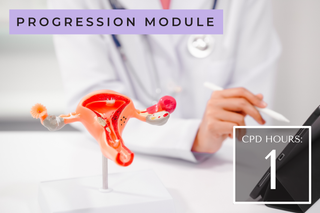
Breast and Gynaecological Cancers and Medical Cannabis
1 Credit
This module focuses on Breast, endometrial and ovarian cancers (BEOC), which are among the most prevalent cancers affecting individuals assigned female at birth (IAFABP). Learners will explore the categories, pathophysiology, risk factors, symptoms, and treatment options for these cancers, noting that early symptoms, particularly for ovarian and endometrial cancers, can often go unnoticed, leading to a poorer prognosis. While common treatments can be effective, they frequently come with significant side effects that impact daily life and overall well-being.
By the end of this module, learners will be able to explain the pathophysiology and symptomatology of BEO cancers, identify treatment options and their adverse effects, and discuss the therapeutic potential of medical cannabis for alleviating treatment-related side effects, including chemotherapy-induced nausea and vomiting (CINV).
Additionally, the module will cover important considerations for selecting appropriate medical cannabis products and outline general conditions related to prescribing these treatments.
Preview this module by watching the video above.
Estimated Duration: 1 hour
Access Duration: 12 months from date of purchase
Learning Outcomes
Upon completion of this module, you’ll be able to:
Explain BEOC pathogenesis and pathophysiology
Identify benefits and drawbacks of conventional interventions for BEOC
Discuss medical cannabis’ therapeutic potential for treating BEOC symptoms and treatment-related side effects
Identify considerations for selecting a medical cannabis product to treat symptoms of BEO cancers

Hepatic Conditions and Medical Cannabis
1 Credit
Estimated to affect over a billion people globally, hepatitis is a major global health crisis. Characterised by inflammation of the liver, hepatitis is responsible for severe consequences including liver damage, failure and death.¹
But it is preventable and treatable. The World Health Organisation (WHO) and its member states (including Australia) have pledged to reduce hepatitis infections by 90% and hepatitis B and C related deaths by 65% by 2030 through vaccination, diagnostic testing, medication, and educational initiatives.¹‚²
The use of medical cannabis in the treatment of hepatitis symptoms is a relatively new and evolving area of research, with findings that have sometimes been contradictory.
While more research is needed to reach definitive conclusions, early evidence suggests that medical cannabis may have the potential to improve the quality of life for those living with hepatitis by addressing primary and secondary symptoms.
Preview this module by watching the video above.
Estimated Duration: 1 hour
Access Duration: 12 months from date of purchase
Learning Outcomes
Upon completion of this module, you’ll be able to:
Describe the prevalence, pathogenesis, pathophysiology, symptoms and impacts of, and diagnostic methods for hepatitis and its subtypes
Identify common hepatitis treatment interventions and explain their pharmacology
Explain how medical cannabis treatment may benefit people with hepatitis
Identify and explain potential risks and clinical considerations when recommending medical cannabis treatment for people with hepatitis
References
¹ World Health Organisation. Hepatitis. www.who.int. Published 2024. Accessed August 30, 2024. https://www.who.int/health-topics/hepatitis/elimination-of-hepatitis-by-2030
² Coalition for Global Hepatitis Elimination. About Hepatitis Elimination. CGHE. Accessed August 30, 2024. https://www.globalhep.org/about/about-hepatitis-elimination#:~:text=In%202016%2C%20the%20World%20Health
You’re viewing 1-9 of 9 products
Ready to learn?
Become a member to enrol in SAGED modules and bundles. Explore membership options below.