


Designed for Nurses - Progression Modules
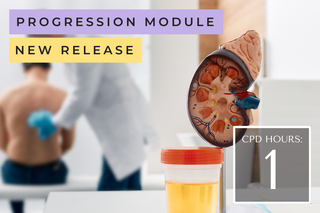
Renal Conditions and Medical Cannabis
1 Credit
Renal conditions can be challenging to manage due to the complexity of symptoms, limitations in treatment options and comorbidities.¹
Preliminary and emerging research has demonstrated medical cannabis' therapeutic potential for treating some symptoms of renal conditions, particularly neuropathic pain and uremia-induced pruritis.²
Though it is theorised that medical cannabis treatment may present risks to those with renal conditions – particularly concerning drug-drug-interactions.³
As medical cannabis use continues to grow, healthcare professionals should stay informed about medical cannabis treatment applications in renal conditions, and equipped to provide the best evidence-based guidance.⁴
Preview this module by watching the video above.
Estimated Duration: 1 hour
Access Duration: 12 months from date of purchase
Learning Outcomes
Upon completion of this module, you’ll be able to:
Describe the physiology and key functions of the kidneys
Describe the pathophysiology of chronic kidney disease (CKD), acute kidney injury (AKI), autosomal dominant polycystic kidney disease (ADPKD) and renal cancer and recommended conventional treatment options
Describe medical cannabis' therapeutic potential for treating symptoms of renal conditions
Identify risks, risk management strategies and general considerations of medical cannabis treatment for individuals with renal conditions
References
Webster AC, Nagler EV, Morton RL, Masson P. Chronic kidney disease. The Lancet. 2017;389(10075):1238-1252. doi:https://doi.org/10.1016/s0140-6736(16)32064-5
Ho C, Martinusen D, Lo C. A Review of Cannabis in Chronic Kidney Disease Symptom Management. Canadian Journal of Kidney Health and Disease. 2019;6:205435811982839. doi:https://doi.org/10.1177/2054358119828391
Lappin J. Drug Interactions with Cannabis. Society of Cannabis Clinicians. Published July 10, 2024. Accessed February 27, 2025. https://www.cannabisclinicians.org/2024/07/10/drug-interactions-with-cannabis/
Rein JL. The Nephrologistʼs Guide to Cannabis and Cannabinoids. Current Opinion in Nephrology and Hypertension. 2020;29(2):248-257. doi:https://doi.org/10.1097/mnh.0000000000000590
Medical Cannabis in Palliative Care
1 Credit
Palliative care focusses on relieving suffering and improving quality of life for individuals with life-limiting illnesses. Historically, practitioners applied palliative care only to cancer patients, but it's increasingly being introduced earlier in the course of illness.¹
This module examines the role of palliative care as part of person-centred health services, aligned with the World Health Organisation's framework, which highlights the importance of meeting individual needs and preferences.²
Learners will explore challenges such as symptom management and the complexities of polypharmacy, which can limit the effectiveness of traditional treatments. The module also discusses the potential role of medical cannabis in addressing symptoms, reducing medication side effects, and improving quality of life for patients in palliative care.
This module provides healthcare practitioners with knowledge to responsibly integrate medical cannabis into palliative care plans.
Preview this module by watching the video above.
Estimated Duration: 1 hours
Access Duration: 12 months from date of purchase
Learning Outcomes
Upon completion of this module, you’ll be able to:
Define palliative care
Discuss the purposes and standard processes and approaches in palliative care
Discuss the importance of goals of care in palliative care
Discuss the role of services, supports and people involved in palliative care
Explain how palliative care differs from end-of-life care
Explain how the endocannabinoid system may influence symptoms and side effects experienced by those in palliative care
Explain how health practitioners and professionals may facilitate medical cannabis treatment to manage symptoms and side effects commonly experienced by those in palliative care
Identify clinical considerations that relate to medical cannabis use in palliative care
References
¹ Lukas Radbruch, et al. “Redefining Palliative Care—a New Consensus-Based Definition.” Journal of Pain and Symptom Management, vol. 60, no. 4, 6 May 2020, pp. 754–764, www.sciencedirect.com/science/article/pii/S0885392420302475, https://doi.org/10.1016/j.jpainsymman.2020.04.027. Accessed 17 Oct. 2024.² Australian Institute of Health and Welfare. “Palliative Care Services in Australia, Summary - Australian Institute of Health and Welfare.” Australian Institute of Health and Welfare, 2023, www.aihw.gov.au/reports/palliative-care-services/palliative-care-services-in-australia/contents/summary. Accessed 23 Oct. 2024.

Mental Health Conditions and Medical Cannabis
1 Credit
This module provides healthcare practitioners with a foundational understanding of mental health conditions, focussing on their prevalence, underlying mechanisms, and clinical impact—particularly in the Australian context. By examining the characteristics and pathophysiology of common conditions, practitioners will better understand current treatment limitations and the growing interest in alternative or adjunctive options such as medical cannabis.The module explores the potential mechanisms through which medical cannabis may alleviate specific symptoms associated with mental health conditions, while also addressing the limitations and risks of its use in this context. Evidence-based strategies for risk mitigation and safe prescribing are presented to support informed, patient-centred decision-making.Upon completion, practitioners will be better equipped to evaluate the appropriate role of medical cannabis in mental health care and to integrate it safely and effectively into treatment plans where clinically appropriate.
Preview this module by watching the video above.
Estimated Duration: 1 hours
Access Duration: 12 months from date of purchase
Learning Outcomes
Upon completion of this module, you’ll be able to:
Define mental health and mental health conditions
Explain the prevalence and impact of mental health issues in Australia
Identify key risk factors for developing mental health conditions in Australia
Describe the characteristics, pathophysiology, and treatment options for common mental health conditions
Explain how medical cannabis may alleviate symptoms of mental health conditions through its primary mechanisms of action
Describe the therapeutic potential of medical cannabis for treating symptoms of common mental health conditions
Outline potential risks of medical cannabis treatment for mental health symptoms and discuss risk management strategies where appropriate
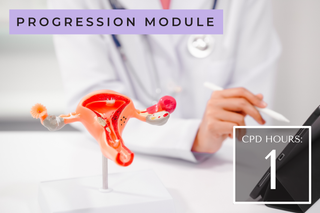
Breast and Gynaecological Cancers and Medical Cannabis
1 Credit
This module focuses on Breast, endometrial and ovarian cancers (BEOC), which are among the most prevalent cancers affecting individuals assigned female at birth (IAFABP). Learners will explore the categories, pathophysiology, risk factors, symptoms, and treatment options for these cancers, noting that early symptoms, particularly for ovarian and endometrial cancers, can often go unnoticed, leading to a poorer prognosis. While common treatments can be effective, they frequently come with significant side effects that impact daily life and overall well-being.
By the end of this module, learners will be able to explain the pathophysiology and symptomatology of BEO cancers, identify treatment options and their adverse effects, and discuss the therapeutic potential of medical cannabis for alleviating treatment-related side effects, including chemotherapy-induced nausea and vomiting (CINV).
Additionally, the module will cover important considerations for selecting appropriate medical cannabis products and outline general conditions related to prescribing these treatments.
Preview this module by watching the video above.
Estimated Duration: 1 hour
Access Duration: 12 months from date of purchase
Learning Outcomes
Upon completion of this module, you’ll be able to:
Explain BEOC pathogenesis and pathophysiology
Identify benefits and drawbacks of conventional interventions for BEOC
Discuss medical cannabis’ therapeutic potential for treating BEOC symptoms and treatment-related side effects
Identify considerations for selecting a medical cannabis product to treat symptoms of BEO cancers

Medical Cannabis Treatment for Cancer Patients
1 Credit
This module explores the complexities of cancer, including its pathogenesis, common types, grading criteria, and contemporary treatment options. Learners will gain insights into the rising incidence of cancer in Australia and the significant advancements in survival rates, alongside the challenges posed by treatment side effects. A key focus will be the emerging role of medical cannabis, examining its therapeutic potential for alleviating cancer symptoms and mitigating treatment side effects, as well as its implications for palliative care.
By the end of the module, learners will be equipped to explain cancer's biological mechanisms, identify various cancers and their treatments, and assess the benefits and risks of medical cannabis in cancer care. This knowledge aims to enhance understanding and support improved patient outcomes in the evolving landscape of cancer treatment.
Preview this module by watching the video above.
Estimated Duration: 1 hour
Access Duration: 12 months from date of purchase
Learning Outcomes
Upon completion of this module, you’ll be able to:
Explain the pathogenesis and pathophysiology of cancer
Identify and describe the main types of cancers and tumours
Identify and describe the common cancer-grading criteria
Identify and explain contemporary cancer treatments, their benefits, risks and side effects
Explain medical cannabis’ therapeutic potential for treating cancer symptoms and treatment side effects
Identify risks associated with medical cannabis treatment for those with cancer
Explain how medical cannabis may play a role in palliative care for those with cancer

Menopause and Medical Cannabis
1 Credit
A person with ovaries is typically born with about one million ovarian follicles.¹ By puberty, this number decreases to between 250,000 and 400,000¹, continuing to decline throughout life. Between the ages of 45-56, the diminishing ovarian follicle count leads to hormonal shifts that can cause various symptoms, including irregular menstruation and vasomotor or organ-related issues.¹ This transitional phase is known as perimenopause, while menopause marks the final menstrual cycle.
This module explores the potential of medical cannabis to alleviate disruptive symptoms associated with menopause, offering an alternative option for symptom management.
Preview this module by watching the video above.
Estimated Duration: 1 hour
Access Duration: 12 months from date of purchase
Learning Outcomes
Upon completion of this module, you’ll be able to:
Explain the physiology, symptomatology and effects of menopause
Identify conventional interventions for symptoms of menopause and describe their potential strengths and drawbacks
Discuss medical cannabis' mechanisms of action and therapeutic potential for treating symptoms of menopause
Identify considerations and risks for selecting medical cannabis products to treat symptoms of menopause
References
¹ Peacock, Kimberly, and Kari M. Ketvertis. “Menopause.” NIH, StatPearls Publishing, Jan. 2024, www.ncbi.nlm.nih.gov/books/NBK507826/. Accessed 26 June 2024.

Postpartum Depression (PPD) and Medical Cannabis
1 Credit
Emotional fluctuations after childbirth are common and typically subside within two weeks.¹ However, when these symptoms persist and interfere with a person's ability to care for themselves or their infant, it may indicate postpartum depression (PPD).¹ Affecting an estimated 6-12% of Australian women², PPD is widespread, yet many hesitate to seek treatment due to concerns around privacy³, fear of judgement, and a lack of adequate support⁴. Even when treatment is sought, conventional options often fall short in fully addressing the symptoms.
This module explores the potential role of medical cannabis in helping individuals with PPD, offering an alternative path toward symptom relief.
Preview this module by watching the video above.
Estimated Duration: 1 hour
Access Duration: 12 months from date of purchase
Learning Outcomes
Upon completion of this module, you’ll be able to:
Explain the pathophysiology, symptomatology and effects of PPD
Identify conventional interventions for PPD and describe their potential strengths and drawbacks
Discuss medical cannabis' mechanisms of action and therapeutic potential for treating symptoms of PPD (e.g. pain, low mood, anxiety and sleep problems)
Identify considerations and risks for selecting medical cannabis products to treat PPD
References
¹ Mughal, Saba, et al. “Postpartum Depression.” PubMed, StatPearls Publishing, Jan. 2023, www.ncbi.nlm.nih.gov/books/NBK519070. Accessed 17 June 2024.
² Ogbo, Felix Akpojene, et al. “Determinants of Antenatal Depression and Postnatal Depression in Australia.” BMC Psychiatry, vol. 18, no. 1, Feb. 2018, https://doi.org/10.1186/s12888-018-1598-x. Accessed 17 June 2024.
³ Brummelte, Susanne, and Liisa A. M. Galea. “Postpartum Depression: Etiology, Treatment and Consequences for Maternal Care.” Hormones and Behavior, vol. 77, Jan. 2016, pp. 153–66, https://doi.org/10.1016/j.yhbeh.2015.08.008. Accessed 17 June 2024.
⁴ Zauderer, Cheryl. “Postpartum Depression: How Childbirth Educators Can Help Break the Silence.” Journal of Perinatal Education, vol. 18, no. 2, Jan. 2009, pp. 23–31, https://doi.org/10.1624/105812409x426305. Accessed 17 June 2024.

Premenstrual Dysphoric Disorder (PMDD) and Medical Cannabis
1 Credit
Premenstrual dysphoric disorder (PMDD) is a complex and disabling condition¹ marked by cognitive, emotional, and physical symptoms in the lead-up to menstruation². Affecting an estimated 3-8% of menstruating individuals³, with 5-8% experiencing severe distress or significant impairment in daily activities⁴, PMDD remains a challenging condition to manage. Without a clear cause, current treatments focus on symptomatic control—targeting mood regulation or hormonal balance—though many patients find limited relief.
This module explores the potential of medical cannabis as a therapeutic option for resistant PMDD symptoms, offering a non-hormonal alternative to traditional treatments that may carry reproductive side effects.
Preview this module by watching the video above.
Estimated Duration: 1 hour
Access Duration: 12 months from date of purchase
Learning Outcomes
Upon completion of this module, you’ll be able to:
Explain the pathophysiology, symptomatology and effects of PMDD
Identify conventional interventions for PMDD and describe their potential strengths and drawbacks
Discuss medical cannabis' mechanisms of action and therapeutic potential for treating symptoms of PMDD (e.g. pain, low mood, anxiety and sleep problems)
Identify considerations and risks for selecting medical cannabis products to treat PMDD
References
¹ Osborn, Elizabeth, et al. “Women’s Experiences of Receiving a Diagnosis of Premenstrual Dysphoric Disorder: A Qualitative Investigation.” BMC Women’s Health, vol. 20, no. 1, Oct. 2020, https://doi.org/10.1186/s12905-020-01100-8. Accessed 26 June 2024.
² Hantsoo, Liisa, and C. Neill Epperson. “Premenstrual Dysphoric Disorder: Epidemiology and Treatment.” Current Psychiatry Reports, vol. 17, 2015, https://doi.org/10.1007/s11920-015-0628-3. Accessed 26 June 2024.
³ Halbreich, Uriel, et al. “The Prevalence, Impairment, Impact, and Burden of Premenstrual Dysphoric Disorder (PMS/PMDD).” Psychoneuroendocrinology, vol. 28, no. 3, Aug. 2003, pp. 1–23, https://doi.org/10.1016/s0306-4530(03)00098-2. Accessed 26 June 2024.
⁴ Slavin, Melissa, et al. “Cannabis and Symptoms of PMS and PMDD.” Addiction Research & Theory, vol. 25, no. 5, Mar. 2017, pp. 383–89, https://doi.org/10.1080/16066359.2017.1294165. Accessed 26 June 2024.

Polycystic Ovarian Syndrome (PCOS) and Medical Cannabis
1 Credit
Polycystic ovarian syndrome (PCOS) is the most common endocrine disorder¹ , affecting 12-21% of women of reproductive age.² Despite its widespread occurrence, only 30% of those with PCOS are diagnosed², often only when complications begin to severely impact their quality of life.³
This module explores the potential of medical cannabis as an adjunct treatment for PCOS, offering new hope for managing symptoms and improving patient outcomes.
Preview this module by watching the video above.
Estimated Duration: 1 hour
Access Duration: 12 months from date of purchase
Learning Outcomes
Upon completion of this module, you’ll be able to:
Explain the pathophysiology, symptomatology and effects of PCOS
Identify conventional interventions for PCOS and describe their potential strengths and drawbacks
Discuss medical cannabis' mechanisms of action and therapeutic potential for treating symptoms of PCOS (e.g. pain, low mood, anxiety and sleep problems)
Identify considerations and risks for selecting medical cannabis products to treat PCOS
References
¹ Amiri, Fatemeh Nasiri, et al. “The Experience of Women Affected by Polycystic Ovary Syndrome: A Qualitative Study from Iran.” International Journal of Endocrinology and Metabolism, vol. 12, no. 2, Apr. 2014, https://doi.org/10.5812/ijem.13612. Accessed 26 June 2024.
² Boyle, Jacqueline, and Helena J. Teede. “Polycystic Ovary Syndrome.” Australian Family Physician, vol. 41, no. 10, Oct. 2012, www.racgp.org.au/afp/2012/october/polycystic-ovary-syndrome. Accessed 26 June 2024.
³ Singh, Samradhi, et al. “Polycystic Ovary Syndrome: Etiology, Current Management, and Future Therapeutics.” Journal of Clinical Medicine, vol. 12, no. 4, Feb. 2023, p. 1454, https://doi.org/10.3390/jcm12041454. Accessed 26 June 2024.
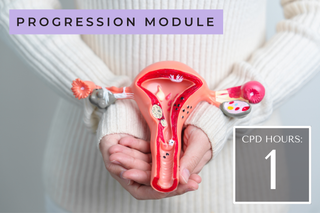
Endometriosis and Medical Cannabis
1 Credit
Endometriosis, a condition marked by the growth of endometrial tissue outside the uterus, causes severe and debilitating symptoms, making it the leading cause of chronic pelvic pain. Affecting 1 in 9 people assigned female at birth¹, endometriosis accounted for over 3,600 emergency department visits in 2021-2022 alone². Despite its prevalence, current treatment options are often invasive and carry significant health risks.
This module explores the potential of medical cannabis as an alternative treatment for endometriosis, offering symptom relief with fewer side effects.
Preview this module by watching the video above.
Estimated Duration: 1 hour
Access Duration: 12 months from date of purchase
Learning Outcomes
Upon completion of this module, you’ll be able to:
Explain the pathophysiology, symptomatology and effects of endometriosis
Identify conventional interventions for endometriosis and describe their potential strengths and drawbacks
Discuss medical cannabis' mechanisms of action and therapeutic potential for treating symptoms of endometriosis (e.g. pain, low mood, anxiety, sleep problems and nausea)
Identify considerations and risks for selecting medical cannabis products to treat endometriosis
References
¹ Armour, M., Ciccia, D., Yazdani, A., Rombauts, L., Niekerk, L. V., Schubert, R., & Abbott, J. (2023). Endometriosis research priorities in Australia. Australian and New Zealand Journal of Obstetrics and Gynaecology , 63 (4), 594-598. https://doi.org/https://doi.org/10.1111/ajo.13699
² “Endometriosis, Emergency Department Presentations.” Australian Institute of Health and Welfare, 14 Dec. 2023, www.aihw.gov.au/reports/chronic-disease/endometriosis-in-australia/contents/treatment-management/ed-presentations. Accessed 26 June 2024.

Dysmenorrhoea and Medical Cannabis
1 Credit
Dysmenorrhoea, characterised by painful cramping in the lower abdomen or back during menstruation, affects 88% of menstruating Australians aged 16-291. Despite being the most common gynaecological condition in menstruating years, it is often inadequately treated, leaving many with diminished quality of life.
This module examines the potential of medical cannabis as a therapeutic option for dysmenorrhoea, offering symptom relief with potentially fewer side effects than conventional treatments.
Preview this module by watching the video above.
Estimated Duration: 1 hour
Access Duration: 12 months from date of purchase
Learning Outcomes
Upon completion of this module, you’ll be able to:
Explain the pathophysiology, symptomatology and effects of primary dysmenorrhoea
Identify conventional interventions for primary dysmenorrhoea and describe their potential strengths and drawbacks
Discuss medical cannabis' mechanisms of action and therapeutic potential for treating symptoms of primary dysmenorrhoea (e.g. pain, low mood, anxiety, sleep problems, and nausea and vomiting)
Identify considerations and risks for selecting medical cannabis products to treat primary dysmenorrhoea
References
¹ Subasinghe, Asvini K., et al. “Prevalence and Severity of Dysmenorrhoea, and Management Options Reported by Young Australian Women.” Australian Family Physician, vol. 45, no. 11, Nov. 2016, pp. 829–34, pubmed.ncbi.nlm.nih.gov/27806454/. Accessed 26 June 2024.
Hepatic Conditions and Medical Cannabis
1 Credit
Estimated to affect over a billion people globally, hepatitis is a major global health crisis. Characterised by inflammation of the liver, hepatitis is responsible for severe consequences including liver damage, failure and death.¹
But it is preventable and treatable. The World Health Organisation (WHO) and its member states (including Australia) have pledged to reduce hepatitis infections by 90% and hepatitis B and C related deaths by 65% by 2030 through vaccination, diagnostic testing, medication, and educational initiatives.¹‚²
The use of medical cannabis in the treatment of hepatitis symptoms is a relatively new and evolving area of research, with findings that have sometimes been contradictory.
While more research is needed to reach definitive conclusions, early evidence suggests that medical cannabis may have the potential to improve the quality of life for those living with hepatitis by addressing primary and secondary symptoms.
Preview this module by watching the video above.
Estimated Duration: 1 hour
Access Duration: 12 months from date of purchase
Learning Outcomes
Upon completion of this module, you’ll be able to:
Describe the prevalence, pathogenesis, pathophysiology, symptoms and impacts of, and diagnostic methods for hepatitis and its subtypes
Identify common hepatitis treatment interventions and explain their pharmacology
Explain how medical cannabis treatment may benefit people with hepatitis
Identify and explain potential risks and clinical considerations when recommending medical cannabis treatment for people with hepatitis
References
¹ World Health Organisation. Hepatitis. www.who.int. Published 2024. Accessed August 30, 2024. https://www.who.int/health-topics/hepatitis/elimination-of-hepatitis-by-2030
² Coalition for Global Hepatitis Elimination. About Hepatitis Elimination. CGHE. Accessed August 30, 2024. https://www.globalhep.org/about/about-hepatitis-elimination#:~:text=In%202016%2C%20the%20World%20Health

Autoimmune Symptoms and Medical Cannabis Treatment
1 Credit
This module explores the growing interest in medical cannabis as a therapeutic option for managing autoimmune symptoms like pain and inflammation.
Autoimmune diseases occur when the immune system mistakenly attacks the body's own cells, leading to chronic conditions. Despite their prevalence, their causes remain unclear.
With some traditional treatments, such as NSAIDs and opioids, causing risks to health and wellbeing, emerging research suggests that medical cannabis may be a viable complement or alternative for managing pain and inflammation.
This module offers an overview of autoimmunity, explaining the theorised pathophysiology, symptoms, impacts, diagnostics, and conventional treatments for common presentations, and explores contemporary research findings explaining how medical cannabis may help to manage these symptoms and improve quality of life for people with autoimmune disease.
Preview this module by watching the video above.
Estimated Duration: 1.25 hours
Access Duration: 12 months from date of purchase
Learning Outcomes
Upon completion of this module, you’ll be able to:
Describe the immune system, its purpose, components and key actors
Describe the purpose, functions and actors of the innate and adaptive systems
Describe autoimmunity, including its causes and effects
Explain how autoreactivity can cause autoimmune responses
Identify causes, symptoms and impacts of common autoimmune diseases
Describe common diagnostic methods for autoimmune disease
Describe conventional treatments for autoimmune disease, and some side effects and drawbacks
With reference to research, analyse how medical cannabis may assist in autoimmune disease symptom management
You’re viewing 1-13 of 13 products
Ready to learn?
Become a member to enrol in SAGED modules and bundles. Explore membership options below.