


Designed for Doctors - Fundamental Modules

The Endocannabinoid System — Clinical Relevance
2 Credit
While well-known systems like the sympathetic nervous system are widely understood, doctors may be less familiar with the more recently identified endocannabinoid system (ECS).1,2 The ECS is thought to be involved in regulating pain, immunity, stress, appetite, weight, and nausea, yet it remains largely absent from traditional medical education in Australia.3
What will you learn?This module aims to equip you with the skills and confidence to integrate medical cannabis into patient care when clinically appropriate. Drawing on current evidence and theoretical case studies, the module explores the ECS, cannabinoid pharmacology, proposed therapeutic effects, and the clinical implications of both ECS function and use of medical cannabis.
Through interactive scenarios and evidence summaries, you’ll explore how this knowledge may be relevant to clinical applications—ranging from the potential involvement of the ECS in patient presentations to identifying possible treatment approaches.
Estimated Duration: 4 hours
Access Duration: 12 months from date of purchase
Learning Outcomes
Upon completion of this module, you’ll be able to:
Identify the endocannabinoid system’s components, role and functions, as currently understood
Describe how endocannabinoid system function and dysfunction may contribute to symptoms such as pain, anxiety, sleep disturbance and inflammation
Interpret how the mechanism of the endocannabinoid system may inform the therapeutic potential of medical cannabis
Explain the pharmacological effects of THC and CBD
Identify clinical features suggestive of cannabinoid tolerance or receptor desensitisation
Describe the limitations and uncertainties in the current evidence relating to the endocannabinoid system
References
Harvard Health Publishing. The endocannabinoid system: Essential and mysterious. https://www.health.harvard.edu/blog/the-endocannabinoid-system-essential-and-mysterious-202108112569 (accessed Aug 2025).
Parliament of Australia. Current barriers to patient access to medicinal cannabis in Australia. https://parlinfo.aph.gov.au/parlInfo/download/committees/reportsen/024403/toc_pdf/CurrentbarrierstopatientaccesstomedicinalcannabisinAustralia.pdf (accessed Aug 2025).
Hillard CJ. Circulating Endocannabinoids: From Whence Do They Come and Where are They Going? Neuropsychopharmacology. 2018;43:155–172.
Medical Cannabis Terpenes: Profiles and Therapeutic Potential
1 Credit
Terpenes are plant-based compounds responsible for a plant's aroma,¹ likely contributing to pigmentation and offering protection against environmental threats, such as predators or adverse weather conditions.² They may also provide therapeutic effects when ingested or applied topically, although in some cases, they can cause side effects.¹
While research on terpenes is still in its early stages, some studies suggest they may influence and enhance mood, potentially through interactions with body systems like the endocannabinoid system.³ Cannabis plants are particularly rich in terpenes, with over 150 types identified across various cannabis cultivars.⁴
Emerging evidence also indicates that terpenes might interact with other compounds, such as cannabinoids and additional terpenes, to produce synergistic or cumulative effects.⁵ However, this area of study remains in its infancy.⁶
These findings highlight the diverse therapeutic potential of medical cannabis cultivars, shaped by their unique compound profiles and effects.⁶ A deeper understanding of terpenes' therapeutic potential can help health practitioners make informed clinical decisions, tailored to each patient's individual needs, preferences, and overall well-being.
Preview this module by watching the video above.
Estimated Duration: 1 hours
Access Duration: 12 months from date of purchase
Learning Outcomes
Upon completion of this module, you’ll be able to:
Define terpene
Explain terpenes' functions in plants
Discuss terpenes' hypothesised general functions in the body and potential interactions with other compounds
Define terpenoid
Explain the difference between terpenes and terpenoids
Identify and describe characteristics of key terpenoid subclasses
Explain the relevance of target boiling points for terpenes and terpenoids during medical cannabis administration
Identify and describe key terpenes' and terpenoids' characteristics, mechanisms of action, therapeutic potential and target boiling point
Identify current gaps in research and their implications for the clinical use of terpenes and terpenoids
References:
Paduch, Roman, et al. “Terpenes: Substances Useful in Human Healthcare.” Archivum Immunologiae et Therapiae Experimentalis, vol. 55, no. 5, Oct. 2007, pp. 315–327, https://doi.org/10.1007/s00005-007-0039-1.
Yang, Jianming, et al. “Enhancing Production of Bio-Isoprene Using Hybrid MVA Pathway and Isoprene Synthase in E. Coli.” PLoS ONE, vol. 7, no. 4, 27 Apr. 2012, p. e33509, https://doi.org/10.1371/journal.pone.0033509.
Christensen, Catalina, et al. “Decoding the Postulated Entourage Effect of Medicinal Cannabis: What It Is and What It Isn’t.” Biomedicines, vol. 11, no. 8, 21 Aug. 2023, pp. 2323–2323, https://doi.org/10.3390/biomedicines11082323.
Booth, Judith K., and Jörg Bohlmann. “Terpenes in Cannabis Sativa – from Plant Genome to Humans.” Plant Science, vol. 284, July 2019, pp. 67–72, https://doi.org/10.1016/j.plantsci.2019.03.022.
LaVigne, Justin E., et al. “Cannabis Sativa Terpenes Are Cannabimimetic and Selectively Enhance Cannabinoid Activity.” Scientific Reports, vol. 11, no. 1, 15 Apr. 2021, https://doi.org/10.1038/s41598-021-87740-8.
Sommano, Sarana Rose, et al. “The Cannabis Terpenes.” Molecules, vol. 25, no. 24, 1 Jan. 2020, p. 5792, www.mdpi.com/1420-3049/25/24/5792, https://doi.org/10.3390/molecules25245792.
Access Pathways to Medical Cannabis: Authorised Prescriber Scheme
1 Credit
In Australia, the Therapeutic Goods Administration (TGA) regulates the approval and monitoring of medications to ensure their quality, safety, and efficacy.¹ However, many medical cannabis products are classified as unapproved goods, as they have not undergone TGA evaluation.
This module provides a detailed overview of the TGA's Authorised Prescriber Scheme, which enables registered medical practitioners to apply for the authority to prescribe unapproved medical cannabis products to multiple patients.²
Learners will gain a clear understanding of the regulatory framework, the application process, and the responsibilities involved in prescribing unapproved medical cannabis products. This module is designed to equip healthcare practitioners with the knowledge to navigate the scheme effectively and confidently integrate medical cannabis into patient care when appropriate.
Preview this module by watching the video above.
Estimated Duration: 1 hours
Access Duration: 12 months from date of purchase
Learning Outcomes
Upon completion of this module, you’ll be able to:
Clarify the purpose of the Australian Register of Therapeutic Goods (ARTG)
Outline the categories of unregistered therapeutic goods
Identify and explain the regulated access pathways for unapproved goods
Summarise the purpose and eligibility criteria for each category of the Special
Access Scheme (SAS), including SAS-A, SAS-B, and SAS-C
Identify the information required for a SAS-B application
Identify the main categories of medical cannabis products based on their CBD and THC content
Summarise the purpose and main characteristics of each Authorised Prescriber Scheme pathway
Apply to become an authorised prescriber and fulfil reporting obligations
Discuss prescribing practitioner considerations and obligations for providing medical cannabis treatment
References
¹ Therapeutic Goods Administration. “Prescribe an Unapproved Therapeutic Good (Health Practitioners).” Therapeutic Goods Administration (TGA), 14 Dec. 2022, www.tga.gov.au/products/unapproved-therapeutic-goods/prescribe-unapproved-therapeutic-good-health-practitioners.
² Therapeutic Goods Administration. Unapproved products for multiple patients (Authorised Prescriber). Therapeutic Goods Administration (TGA). Published July 14, 2023. Accessed November 28, 2024. https://www.tga.gov.au/services/unapproved-products-multiple-patients-authorised-prescriber

Integrating Medical Cannabis in Chronic Pain Care
1 Credit
This module explores the complexities of chronic pain and its management, with a focus on the potential role of medical cannabis.
Learners will examine the factors influencing pain perception, the mechanisms of pain signaling, and the different aetiologies and pathophysiologies of pain.
The module addresses the interplay between physical and psychosocial factors in the pain experience and the impacts of chronic pain on individuals and the Australian healthcare system. It also covers common treatment interventions, the therapeutic potential of medical cannabis for chronic pain and co-occurring conditions, and considerations for its use.
Healthcare practitioners will gain insights into addressing barriers to medical cannabis treatment to support improved patient outcomes.
Preview this module by watching the video above.
Estimated Duration: 1 hours
Access Duration: 12 months from date of purchase
Learning Outcomes
Upon completion of this module, you’ll be able to:
Identify the factors that affect an individual's experience of pain
Explain the pain signalling process
Identify different pain aetiologies and pathophysiologies
Explain the interplay between physical and psychosocial factors in the pain experience
Define chronic pain and explain its impacts on individuals and the Australian healthcare and social support systems
Describe common treatment interventions for chronic pain
Describe medical cannabis' therapeutic potential for treating chronic pain and common co-occurring conditions
Identify general considerations for medical cannabis treatment
Explain common barriers to medical cannabis treatment and how to address them

Access Pathways to Medical Cannabis: Special Access Scheme A (SAS-A)
1 Credit
At the time of publishing, there are currently two approved medical cannabis treatments on the ARTG:
Nabiximols (Sativex) – Approved to improve symptoms related to spasticity in people with MS, reporting lack of efficacy from other anti-sacity treatments²
Cannabidiol (Epidyolex) – Approved as an adjunct treatment severe and rare forms of epilepsy in children aged 2+4
Yet, for those who are seriously ill, medical cannabis may offer subjective relief for a wide range of symptoms such as; chronic pain, nausea and vomiting; sleep and appetite disturbances, depressed mood & stress where other treatments have been unable to provide effective relief.³⁴
Registered medical practitioners may apply for access to unapproved therapeutic goods via the TGA through the following pathways:¹
Special access scheme (SAS) – provide access for an individual patient on a case-by-case basis
Authorised prescriber scheme (AP) – provide access for multiple patients with the same condition
In cases where approved medications are unsuitable or ineffective, Australian healthcare practitioners can access unapproved therapeutic goods, such as medical cannabis, through the Special Access Scheme A (SAS-A) or the Authorised Prescriber (AP) pathways. This module explores these pathways, outlines approved and unapproved medical cannabis treatments, and provides insight into their potential role in managing symptoms for seriously ill patients.
Preview this module by watching the video above.
Estimated Duration: 1.25 hours
Access Duration: 12 months from date of purchase
Learning Outcomes
Upon completion of this module, you’ll be able to:
Clarify the purpose of the Australian Register of Therapeutic Goods (ARTG)
Outline the categories of unregistered therapeutic goods
Identify and explain the regulated access pathways for unapproved goods
Summarise the purpose and eligibility criteria for each category of the Special Access Scheme (SAS), including SAS-A, SAS-B, and SAS-C
Define the term seriously ill as it pertains to SAS-A
Complete the online SAS form to notify the Therapeutic Goods Administration (TGA) and the relevant state or territory authorities regarding the medical cannabis prescription
Discuss prescribing practitioner considerations and obligations for providing medical cannabis treatment
References
¹ Therapeutic Goods Administration. “Prescribe an Unapproved Therapeutic Good (Health Practitioners).” Therapeutic Goods Administration (TGA), 14 Dec. 2022, www.tga.gov.au/products/unapproved-therapeutic-goods/prescribe-unapproved-therapeutic-good-health-practitioners.
² Therapeutic Goods Administration. Sativex Oromucosal Spray, Nabiximols 80 mg/mL Pump Actuated Metered Dose Aerosol (181978). Therapeutic Goods Administration (TGA). Published May 26, 2022. Accessed October 2, 2024. https://www.tga.gov.au/resources/artg/181978
³ Herbert A, Hardy J. Medicinal Cannabis Use in Palliative Care. Australian Journal of General Practice. 2021;50(6):363-368. doi:https://doi.org/10.31128/ajgp-02-21-5831
⁴ Therapeutic Goods Administration. Guidance for the Use of Medicinal Cannabis in the Treatment of Palliative Care Patients in Australia. Therapeutic Goods Administration (TGA). Published June 23, 2023. Accessed October 2, 2024. https://www.tga.gov.au/resources/resource/reference-material/guidance-use-medicinal-cannabis-treatment-palliative-care-patients-australia

Medical Cannabis Taxonomy, Genetics, Strains and Compounds
1 Credit
This module provides healthcare practitioners with a comprehensive understanding of the biological components of medical cannabis and their therapeutic potential.
As cannabis becomes more widely accepted, it's essential to grasp how its taxonomy, strains, chemovars, and key compounds interact within the body to provide treatment benefits.
Through this module, practitioners will learn how to identify cannabis' taxonomic status, discuss the key components of strains, and explain how cannabinoids and terpenes affect the body. You'll also explore the factors that influence cannabis' effects and how practitioners can adjust treatment to account for clinical and individual patient factors, risks, and contraindications.
Preview this module by watching the video above.
Estimated Duration: 1 hour
Access Duration: 12 months from date of purchase
Learning Outcomes
Upon completion of this module, you’ll be able to:
Identify cannabis' taxonomic status
Identify and discuss key components of strains and chemovars
Identify key compounds in medical cannabis and explain their potential interactions and effects within the body
Describe the factors that impact medical cannabis' effects within the body
Explain how practitioners may adjust medical cannabis treatment to account for clinical and individual factors, risks and contraindications

The Endocannabinoid System and Medical Cannabis – An Introduction
0 Credit
This module explores the endocannabinoid system (ECS) and its critical role in the effects of medical cannabis. It examines the discoveries that shaped our understanding of the ECS, its primary components—such as CB1, CB2, and TRPV1 receptors—and the mechanisms of retrograde cell signaling, which underpins how cannabinoids influence physiological processes.
Participants will learn about the role of ECS ligands and non-ligand mediators in cannabis pharmacology, the concept of endocannabinoid tone, and factors that can affect it.
Clinical considerations are addressed to provide a deeper understanding of how the ECS informs the safe and effective use of medical cannabis in patient care.
Preview this module by watching the video above.
Estimated Duration: 1 hour
Access Duration: 12 months from date of purchase
Learning Outcomes
Upon completion of this module, you’ll be able to:
Describe the discoveries that shaped today's understanding of the endocannabinoid system (ECS)
Explain the functions of the ECS, its main components, and how they interact
Discuss the function and benefits of retrograde cell signalling
Outline the roles and functions of cannabinoid receptors CB1 and CB2, and vanilloid receptor TRPV1
Identify ECS ligands and non-ligand mediators and describe their role in ECS function
Define endocannabinoid tone and its influencing factors
Discuss clinical considerations related to the ECS

Prescribe via the SAS-B Pathway for Doctors
1 Credit
While medical cannabis is an effective treatment option for many patients, it’s considered an unapproved good on the TGA’s schedule of drugs. This course is designed to equip healthcare professionals with the skills, knowledge and confidence to navigate the TGA’s Special Access Scheme (SAS) and apply to prescribe medical cannabis to suitable individual patients on a case by case basis using the SAS-B pathway.
We’ll also delve into the broader legal and ethical considerations of prescribing medical cannabis as a treatment option, including risk-mitigation strategies so you can start prescribing medical cannabis to your eligible patients as soon as possible.
Preview this module by watching the video above.
Estimated Duration: 1 hour
Access Duration: 12 months from date of purchase
Learning Outcomes
Upon completion of this module, you’ll be able to:
Define unapproved good
Describe different pathways for accessing and prescribing unapproved goods
Explain the differences and correct use of the SAS and Authorised prescriber pathways
Apply to prescribe medical cannabis for individual patients using the SAS-B pathway
Explain the legal and ethical considerations, and risk-mitigation strategies when prescribing medical cannabis via the SAS-B pathway
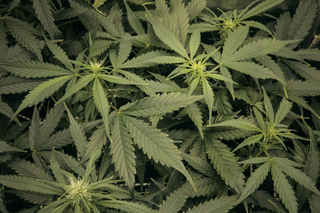
Complimentary Introduction Course: History of Medical Cannabis
0 Credit
It's an interesting time in Australia's medical cannabis landscape.Cannabis has a long global history, traversing prohibition and the ‘war on drugs’ to becoming a recognised therapeutic option for Australian patients.Discover cannabis throughout history, and its evolution in modern day healthcare.
Empower yourself with the knowledge of the history of both social and medical history of medical cannabis in Australia and globally.
Preview this module by watching the video above.
Estimated Duration: 1 hour
Access Duration: 12 months from date of purchase
Learning Outcomes
Upon completion of this module, you’ll be able to:
Cannabis and its historical context: When, where and the discovery of the plants therapeutic properties occurred.
The complex social attitudes affecting the plants status as a medicine throughout history.
Where medical cannabis came from and where it is having the most impact now.
You’re viewing 1-9 of 9 products
Ready to learn?
Become a member to enrol in SAGED modules and bundles. Explore membership options below.