Your cart

Your cart is empty

Clinical Case Studies

Clinical case studies are real-world patient scenarios focussed on a particular condition and/or set of symptoms. Examine how medical cannabis was incorporated in a patient's treatment plan.

29 Results

Clinical Case Study – Functional Neurological Disorder (FND)

1 Credit

Forty-four-year-old Helen experiences intermittent periods of neurological symptoms affecting motor function, speech and balance. After ruling out multiple sclerosis (MS), Helen's doctor diagnosed her with functional neurological disorder (FND.) Despite trialling several first-line treatments, Helen continues to relapse periodically and uses black-market medical cannabis oil to control symptoms, though the dosage is inconsistent as the product is homemade. In this case study, we explore how Dr. Xie prescribed medical cannabis products to help reduce the frequency of Helen's relapses. Estimated Duration: 1 hour Access Duration: 12 months from date of enrolment Learning Outcomes Upon completion of this module, you’ll be able to: Explain the pathophysiology of functional neurological disorder (FND) and identify common management strategies Discuss the potential benefits and limitations of medical cannabis as a treatment option for symptoms of FND Identify suitable candidates for medical cannabis treatment Devise treatment plans that consider patient safety and minimise risk Facilitate clinical discussions with patients around medical cannabis as a therapeutic option in the management of FND

Spotlight on Lauren Jackson

0 Credit

When chronic pain from repeated injuries forced legendary basketballer Lauren Jackson into retirement, her journey to recovery became a complex challenge. But Lauren defied the odds, returning to the court to play in the Australian squad for the FIBA Women's Basketball World Cup in 2022. This case study explores the challenges faced by female athletes in high-impact sports, including the prevalence of bone stress and joint injuries, the impact of hormonal factors, and the complexities of chronic pain management. It also addresses how medical cannabis was incorporated in Lauren's treatments. Healthcare practitioners will gain insights into: The pathophysiology of common injuries in female athletes, including bone stress and joint injuries Potential benefits and limitations of medical cannabis in managing chronic pain and aiding recovery Considerations for incorporating medical cannabis into treatment plans alongside conventional therapies. Strategies for discussing medical cannabis with patients while prioritiding safety and minimising risks Explore the evidence and evaluate how medical cannabis might fit within a broader approach to managing chronic conditions and sports-related injuries. Preview this module by watching the video above. Estimated Duration: 1 hour Access Duration: 12 months from date of purchase Learning Outcomes Upon completion of this module, you’ll be able to: Explain the pathophysiology of common conditions and impact-based sporting injuries for female athletes and identify common management strategies Discuss the potential benefits and limitations of medical cannabis as a treatment option for symptoms of chronic sporting injuries and recovery from surgery Discuss the potential benefits and limitations of medical cannabis as a treatment option for symptoms of endometriosis Explain how medical cannabis treatment may integrate into and influence prescribed opioid treatment outcomes and effects Identify suitable candidates for medical cannabis treatment Devise treatment plans that consider patient safety and minimise risk Facilitate clinical discussions with patients around medical cannabis as a therapeutic option in the management of chronic conditions, impact-based sporting injuries and recovery from surgery Disclaimer: Lauren has a financial interest in a medicinal cannabis company. Lauren is not receiving any financial remuneration from SAGED for her involvement in this case study.

Clinical Case Study - Irritable Bowel Syndrome (IBS)

1 Credit

Sixty-six-year-old David was diagnosed with irritable bowel syndrome (IBS) after hospitalisation for diverticulitis in 2016. He experiences abdominal pain, nausea, constipation, gas and bloating after meals. Stress exacerbates these symptoms. David has trialled several first-line treatments, including various dietary modifications, but none adequately relieved his symptoms. In this case study, we explore how Dr. Xie prescribed medical cannabis products to manage David’s symptoms and help to improve his quality of life. Preview this module by watching the video above. Estimated Duration: 1 hour Access Duration: 12 months from date of purchase Learning Outcomes Upon completion of this module, you’ll be able to: Explain the pathophysiology of IBS  and identify common management strategies  Discuss the potential benefits and limitations of medical cannabis as a treatment option for symptoms of IBS Identify suitable candidates for medical cannabis treatment Devise treatment plans that consider patient safety and minimise risk Facilitate clinical discussions with patients around medical cannabis as a therapeutic option in the management of IBS

Clinical Case Study - Vaginismus

1 Credit
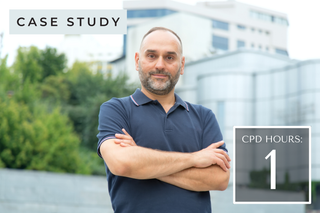
Twenty-six-year-old Lexi has primary vaginismus that causes vaginal spasming and burning in the vaginal canal during penetration. As a result, Lexi is unable to use tampons and has developed secondary anxiety around sexual intercourse. Lexi has trialled several first-line treatments, but none were suitable due to lack of efficacy and/or Lexi's work schedule. Lexi continues to experience vaginal pain during sex. In this case study, we explore how Dr. Xie prescribed medical cannabis products to reduce Lexi's pain and ease her anxiety towards sexual intercourse. Preview this case study by watching the video above. Estimated Duration: 1 hour Access Duration: 12 months from date of purchase Learning Outcomes Upon completion of this case study, you’ll be able to: Explain the pathophysiology of vaginismus and identify common management strategies  Discuss the potential benefits and limitations of medical cannabis as a treatment option for symptoms of vaginismus  Identify suitable candidates for medical cannabis treatment Facilitate clinical discussions with patients around medical cannabis as a therapeutic option in the management of vaginismus  Devise treatment plans that consider patient safety and minimise risk

Clinical Case Study – Borderline Personality Disorder (BPD), Anxiety and Depression

1 Credit

Forty-eight-year-old David is seeking relief for depression and anxiety secondary to borderline personality disorder (BPD). David is currently using first-line treatments, but these have proved ineffective as David's still experiencing unwanted symptoms. In this case study, we explore how Dr. Xie prescribed medical cannabis products to help alleviate David’s symptoms and improve his overall quality of life. Preview this module by watching the video above. Estimated Duration: 1 hours Access Duration: 12 months from date of purchase Learning Outcomes Upon completion of this module, you’ll be able to: Explain the pathophysiology of borderline personality disorder and identify common management strategies  Discuss the potential benefits and limitations of medical cannabis as a treatment option for symptoms of borderline personality disorder Identify suitable candidates for medical cannabis treatment Facilitate clinical discussions with patients around medical cannabis as a therapeutic option in the management of symptoms of borderline personality disorder Devise treatment plans that consider patient safety and minimise risk

Clinical Case Study - Post-traumatic Stress Disorder (PTSD)

1 Credit

Noel is a 57-year-old military veteran who developed PTSD and chronic pain due to several injuries sustained during service. Despite trialling several conventional treatment options, Noel is still experiencing debilitating mood symptoms that affect his sleep, as well as chronic pain from the injuries he sustained. In this case study, we explore how Dr. Xie prescribed medical cannabis in Noel's treatment plan. Preview this module by watching the video above. Estimated Duration: 1 hours Access Duration: 12 months from date of purchase Learning Outcomes Upon completion of this module, you’ll be able to: Explain the pathophysiology of PTSD and identify common management strategies  Discuss the potential benefits and limitations of medical cannabis as a treatment option for symptoms of PTSD Identify suitable candidates for medical cannabis treatment Facilitate clinical discussions with patients around medical cannabis as a therapeutic option in the management of PTSD Devise treatment plans that consider patient safety and minimise risk

Medical Cannabis Clinical Case Studies: Chronic Pain-Related Conditions

4 Credit

This microcredential offers healthcare professionals an in-depth look at how medical cannabis can be integrated into the management of chronic pain in complex patient cases. Through real-world scenarios, this microcredential highlights the therapeutic potential of cannabis while addressing concerns related to coexisting conditions, medication interactions, and patient quality of life. This microcredential includes: Clinical Case Study - ADHD Symptoms and Chronic Pain: Explore how medical cannabis helped Hayley, a 37-year-old patient with combined-type ADHD and chronic pain, manage her attention, anxiety, sleep, and physical discomfort. Clinical Case Study - Chronic Pain & Hepatic Dysfunction: Follow Stephen, a 56-year-old with hepatic fibrosis, as his healthcare team safely incorporated medical cannabis into his treatment plan for chronic back pain and gout, restoring his active lifestyle. Clinical Case Study - Chronic Pain, Insomnia & Cardiac Issues: Delve into Jen’s case, a 60-year-old with complex regional pain syndrome and stable cardiovascular disease, who found relief from chronic pain and insomnia through carefully managed medical cannabis treatment. Clinical Case Study - MS-Associated Chronic Pain and Spasticity: Examine how Johanna, a 39-year-old with multiple sclerosis, addressed her neuropathic pain and spasticity using an affordable, well-balanced cannabis treatment plan, overcoming challenges related to her other medications and financial constraints. This microcredential is designed to enhance practitioners’ understanding of medical cannabis' role in improving patient outcomes in chronic pain management, even in complex clinical scenarios. Preview this module by watching the video above. Estimated Duration: 4 hours Access Duration: 12 months from date of purchase Learning Outcomes Upon completion of this module, you’ll be able to: Demonstrate an understanding of the role of medical cannabis in managing chronic pain in patients with coexisting conditions like ADHD, hepatic dysfunction, cardiac issues, and multiple sclerosis. Evaluate real-world case studies to assess cannabis' therapeutic potential for symptom management. Apply critical safety considerations and risk mitigation strategies for patients with hepatic and cardiac concerns. Discuss potential drug-drug interactions and the safe use of medical cannabis in complex patient cases. Facilitate patient-centered discussions around medical cannabis for chronic pain, addressing sleep and psychological symptoms. Devise tailored cannabis treatment plans that consider patient safety, minimise risk, and enhance quality of life in complex cases.

Clinical Case Study – Pain and Sleep Disturbances Due to Prostate Cancer

1 Credit

Sixty-five-year-old Ryan is living with prostate cancer and is experiencing chronic pain and ongoing sleep disturbances. Despite undergoing chemotherapy and trialling several first-line medications, his symptoms have progressed, now significantly impacting his ability to manage daily activities without support. In this case study, we examine how Dr. Xie considered medical cannabis as part of a broader symptom management strategy. The module explores the rationale behind its use, the prescribing process, and the clinical considerations involved in supporting a patient like Ryan. Through this scenario, practitioners will engage with current evidence and frameworks for evaluating medical cannabis in the context of cancer-related symptom management, with attention to safety, patient suitability, and clinical outcomes. Preview this module by watching the video above. Estimated Duration: 1 hour Access Duration: 12 months from date of purchase Learning Outcomes Upon completion of this module, you’ll be able to: Explain the pathophysiology of prostate cancer and identify common management strategies  Discuss the potential benefits and limitations of medical cannabis as a treatment option for secondary symptoms of prostate cancer (e.g. pain and sleep disturbances) Identify suitable candidates for medical cannabis treatment Facilitate clinical discussions with patients around medical cannabis as a therapeutic option in the management of secondary symptoms of prostate cancer (e.g. pain and sleep disturbances) Devise treatment plans that consider patient safety and minimise risk

Clinical Case Study – HIV

1 Credit

Peter, a 45-year-old with human immunodeficiency virus (HIV), is experiencing anxiety and insomnia as side effects of his current treatment regime. These side effects have caused Peter to feel significant fatigue, and he now finds it difficult to leave the house to participate in his regular social and community activities. In this case study, we explore how Dr. Xie prescribed medical cannabis products in addition to Peter’s current treatment regime to help manage his symptoms and get him out and about once more. Preview this module by watching the video above. Estimated Duration: 1 hour Access Duration: 12 months from date of purchase Learning Outcomes Upon completion of this module, you’ll be able to: Explain the pathophysiology of Human immunodeficiency virus (HIV) and identify common management strategies  Discuss the potential benefits and limitations of medical cannabis as a treatment option for symptoms of HIV Identify suitable candidates for medical cannabis treatment Facilitate clinical discussions with patients around medical cannabis as a therapeutic option in the management of symptoms of HIV Devise treatment plans that consider patient safety and minimise risk

Clinical Case Study – Motor Neurone Disease

1 Credit

Nickolas, a 65-year-old with motor neurone disease (MND), seeks treatment for his pain, stress, anxiety and depression. Despite trialling a range of treatment options, and consulting with several specialists, Nickolas is still experiencing primary and secondary symptoms that impact his quality of life. In this case study, we explore how Xie prescribed a medical cannabis product to help manage Nickolas’ symptoms, so he could mobilise with less pain and improve his psychological wellbeing. Preview this module by watching the video above. Estimated Duration: 1 hour Access Duration: 12 months from date of purchase Learning Outcomes Upon completion of this module, you’ll be able to: Explain the pathophysiology of Motor Neurone Disease (MND) and identify common management strategies  Discuss the potential benefits and limitations of medical cannabis as a treatment option for symptoms of MND Identify suitable candidates for medical cannabis treatment Facilitate clinical discussions with patients around medical cannabis as a therapeutic option in the management of symptoms of MND Devise treatment plans that consider patient safety and minimise risk Offer effective patient education and treatment advice on the therapeutic use of medical cannabis

Clinical Case Study - Fibromyalgia

1 Credit

Fibromyalgia (FMS) is a heterogeneous condition characterised by chronic pain throughout the body and is commonly associated with a range of other conditions and symptoms. It’s estimated that there are 1 million Australians with FMS and it’s more common in women than men. In this case study, Jordan, a 32-year-old with FMS, seeks treatment for anxiety and chronic pain. Jordan experienced pain relief while medicated in hospital, but since then hasn't found a solution. The pain and stress is beginning to impact their sleep and daily living.  In this case study, we explore how Jordan was prescribed medical cannabis oil products to help them manage their symptoms and improve their quality of life. Preview this module by watching the video above. Estimated Duration: 1 hour Access Duration: 12 months from date of purchase Learning Outcomes Upon completion of this module, you’ll be able to: Explain the pathophysiology of fibromyalgia and identify common management strategies Discuss the potential benefits and limitations of medical cannabis as a treatment option for common symptoms of fibromyalgia  Identify suitable candidates for medical cannabis treatment Devise treatment plans that consider patient safety and minimise risk Offer effective patient education and treatment advice on the therapeutic use of medical cannabis

Clinical Case Study - Trigeminal Neuralgia

1 Credit

Trigeminal neuralgia (TN) is a painful condition characterised by severe electric shock-like or burning pain in the craniofacial tissues that connect to the trigeminal nerve. Anne, a 52 year old with TN, seeks treatment for chronic facial pain with regular nightly flare ups. Due to the pain, Anne’s been feeling nauseated and finding it difficult to sleep, and hasn’t been able to fully participate in daily life. Despite trialling and using a range of conventional medications, and regularly consulting specialists, Anne hasn’t found relief for her symptoms. She’s considering medical cannabis to manage her pain, nausea and sleep so she can get back to work and life. In this case study, we explore how Anne’s team incorporated medical cannabis products in her treatment plan. Preview this module by watching the video above. Estimated Duration: 1 hour Access Duration: 12 months from date of purchase Learning Outcomes Upon completion of this module, you’ll be able to: Explain the pathophysiology of trigeminal neuralgia and identify common management strategies  Discuss the potential benefits and limitations of medical cannabis as a treatment option for symptoms of trigeminal neuralgia Identify suitable candidates for medical cannabis treatment Facilitate clinical discussions with patients around medical cannabis as a therapeutic option in the management of symptoms of trigeminal neuralgia Devise treatment plans that consider patient safety and minimise risk Offer effective patient education and treatment advice on the therapeutic use of medical cannabis

Clinical Case Study - Endometriosis Pain in a Patient with Pericarditis

1 Credit

Gina, a 32-year-old with endometriosis, seeks treatment for her gastrointestinal and pain-related symptoms.  Gina has tried a range of conventional medications and therapies, but they’ve offered little relief for her symptoms, in particular her pain which leaves her cyclically incapacitated and impacts her work as a hotel manager. In this case study, we explore how Gina’s team prescribed medical cannabis products to help Gina manage her pain and reduce the impacts on her work and wellbeing. Preview this module by watching the video above. Estimated Duration: 1 hour Access Duration: 12 months from date of purchase Learning Outcomes Upon completion of this module, you’ll be able to: Explain the pathophysiology of endometriosis  and identify common management strategies  Discuss the potential benefits and limitations of medical cannabis as a treatment option for common symptoms of endometriosis Identify suitable candidates for medical cannabis treatment Facilitate clinical discussions with patients around medical cannabis as a therapeutic option in symptom management of endometriosis Devise treatment plans that consider patient safety and minimise risk Offer effective patient education and treatment advice on the therapeutic use of medical cannabis

Clinical Case Study - Hypermobile Ehlers-Danlos Syndrome

1 Credit

Lauren is a 35-year-old with hypermobile Ehlers-Danlos Syndrome (hEDS). Despite currently trying to manage her symptoms with a wide range of pharmaceutical and non-pharmaceutical interventions, Lauren is still experiencing pain, sleep problems, moments of low mood and nausea. These symptoms are stopping her from being able to fully participate in life. In this case study, we explore how Lauren's team prescribed medical cannabis products to help her manage her symptoms so she can enjoy life day-to-day. Preview this module by watching the video above. Estimated Duration: 1 hour Access Duration: 12 months from date of purchase Learning Outcomes Upon completion of this module, you’ll be able to: Explain the pathophysiology of EDS and identify common management strategies  Discuss the potential benefits and limitations of medical cannabis as a treatment option for common symptoms of EDS Identify suitable candidates for medical cannabis treatment Devise treatment plans that consider patient safety and minimise risk Offer effective patient education and treatment advice on the therapeutic use of medical cannabis

Clinical Case Study – Autism, Depression and Anxiety

1 Credit
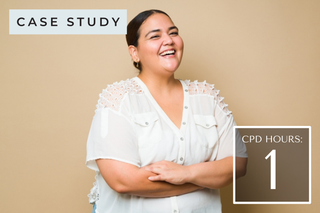
Chad, a 19-year-old autistic male, seeks supports to help him manage his meltdowns and secondary anxiety and depression.  Despite already implementing a wide range of supports and medications to alleviate his distress and manage his aggressive behaviour, Chad's mother Linda, is looking to medical cannabis to supplement his current plan. In this case study, we explore how Chad's team prescribed a combination of medical cannabis products to address Chad's distress and improve his quality of life. Preview this module by watching the video above. Estimated Duration: 1 hour Access Duration: 12 months from date of purchase Learning Outcomes Upon completion of this module, you’ll be able to: Define "neurotype" Explain the purpose of neuroaffirming patient-centric practice Identify strategies to deliver neuroaffirming practice Explain the similarities and differences between autistic and allistic individuals Discuss conventional treatment options for managing distress in autistic individuals Discuss the potential benefits and limitations of medical cannabis as a treatment option for autistic individuals with anxiety and depression Identify suitable candidates for medical cannabis treatment Facilitate clinical discussions with patients and carers around medical cannabis as a therapeutic option for distress secondary to autistic traits Devise treatment plans that consider patient safety and minimise risk Offer effective patient education and treatment advice on the therapeutic use of medical cannabis

Clinical Case Study – ADHD Symptoms and Chronic Pain

1 Credit

Hayley, a 37-year-old female, presents with chronic pain and combined-type ADHD.  Despite her diagnosis 27 years prior, her ADHD is unmanaged, and she’s seeking particular help with attention, anxiety and sleep, as well as pain management for chronic lower back and shoulder pain. In this case study, we explore how Hayley’s team prescribed a combination of medical cannabis products, including medicated edibles, to treat Hayley’s symptoms and restore her quality of life. Preview this module by watching the video above. Estimated Duration: 1 hour Access Duration: 12 months from date of purchase Learning Outcomes Upon completion of this module, you’ll be able to: Explain how and why ADHD and chronic pain affects patients Discuss the potential benefits and limitations of medical cannabis as a treatment option for ADHD and pain symptoms Identify suitable candidates for medical cannabis treatment Facilitate clinical discussions with patients around medical cannabis as a therapeutic option in ADHD and chronic pain symptom management Devise treatment plans that consider patient safety and minimise risk Offer effective patient education and treatment advice on the therapeutic use of medical cannabis

Ready to learn?

Become a member to enrol in SAGED modules and bundles. Explore membership options below.

Keep Browsing

Discover our full range of educational products.